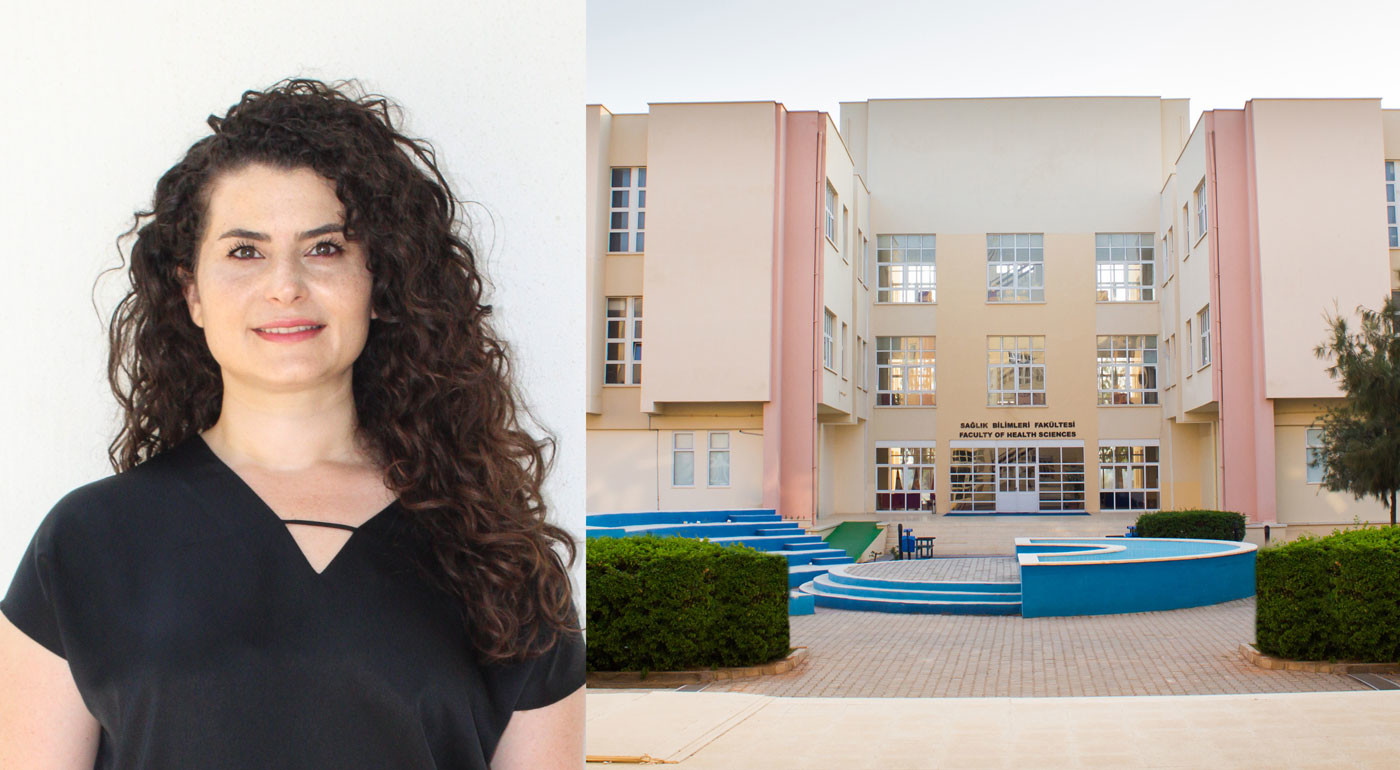
Eastern Mediterranean University (EMU), Health Sciences Faculty, Department of Physiotherapy and Rehabilitation academic staff member Assoc. Prof. Dr. Sevim Öksüz released a statement on World Osteoporosis Day. The statement by Assoc. Prof. Dr. Öksüz reads as follows:
“Living without Fractures: Move for Stronger Bones!”
“Osteoporosis is a metabolic bone disease characterized by reduced bone mass and deterioration of bone tissue, which leads to an increased risk of fractures. It predominantly affects older adults. Globally, it is estimated that more than 200 million people are living with osteoporosis. Approximately 30% of women and 6% of men over the age of 50 are impacted by the condition. Moreover, around 9 million fractures related to osteoporosis occur annually.
Advanced age and menopause are among the primary contributors to the development of osteoporosis. Additionally, reduced physical activity, endocrine and gastrointestinal disorders, nutritional imbalances, and adverse effects of certain medications can also promote the development of the osteoporosis.
Osteoporosis is usually asymptomatic until a fracture occurs, which is why it is described as the ‘silent thief’. Fragility fractures and their complications may represent the first clinical manifestation of osteoporosis. With the occurrence of these fractures, significant declines in physical function, economic burdens, and reductions in quality of life often follow.
Osteoporosis may cause pain whether or not fractures are present, and individuals may experience back pain even during brief activities, such as standing or walking. Alongside pain, patients may develop a reduction in height, postural abnormalities like kyphosis, muscle spasms in the back, and impaired balance. These balance issues elevate the risk of fractures and reduce both mobility and physical performance. Consequently, individuals may experience social isolation, a fear of movement, and diminished self-confidence.
To assess and monitor bone density, individuals in high-risk groups should undergo regular annual DEXA scans (bone scans) under the guidance of a physician. Following the screening, a multidisciplinary plan should be implemented, including medical treatment as recommended by the doctor, a nutrition plan advised by a dietitian, and a safe exercise program designed by a physiotherapist.
Prevention or slowing of osteoporosis onset requires addressing and eliminating risk factors. In cases where osteoporosis is already present, the goals are to enhance bone mass (e.g., via exercise and physical activity), minimize fall and fracture risk (through home safety adjustments and proper footwear), alleviate pain, strengthen muscles, and enhance overall quality of life.
Exercise and physical activity programs aimed at preventing osteoporosis or enhancing bone mass and physical function after diagnosis should be implemented under the guidance of a physiotherapist. It is recommended to perform strengthening exercises 2–3 times per week, aerobic exercises like walking 4–7 times per week, and to regularly practice balance, stretching, and posture exercises.
While exercises can be carried out individually under a physiotherapist’s guidance, they can also be performed in group settings. When appropriate, activities like nature walks and swimming may be recommended, preferably on sunny days to support vitamin D synthesis, and with proper terrain, footwear, and clothing.
The exercise regimen should be personalized, taking into account the patient’s preferences, health, and physical condition, and should include multiple components. It is important to emphasize that conducting exercises safely under physiotherapist supervision significantly reduces the risk of falls and injuries.”