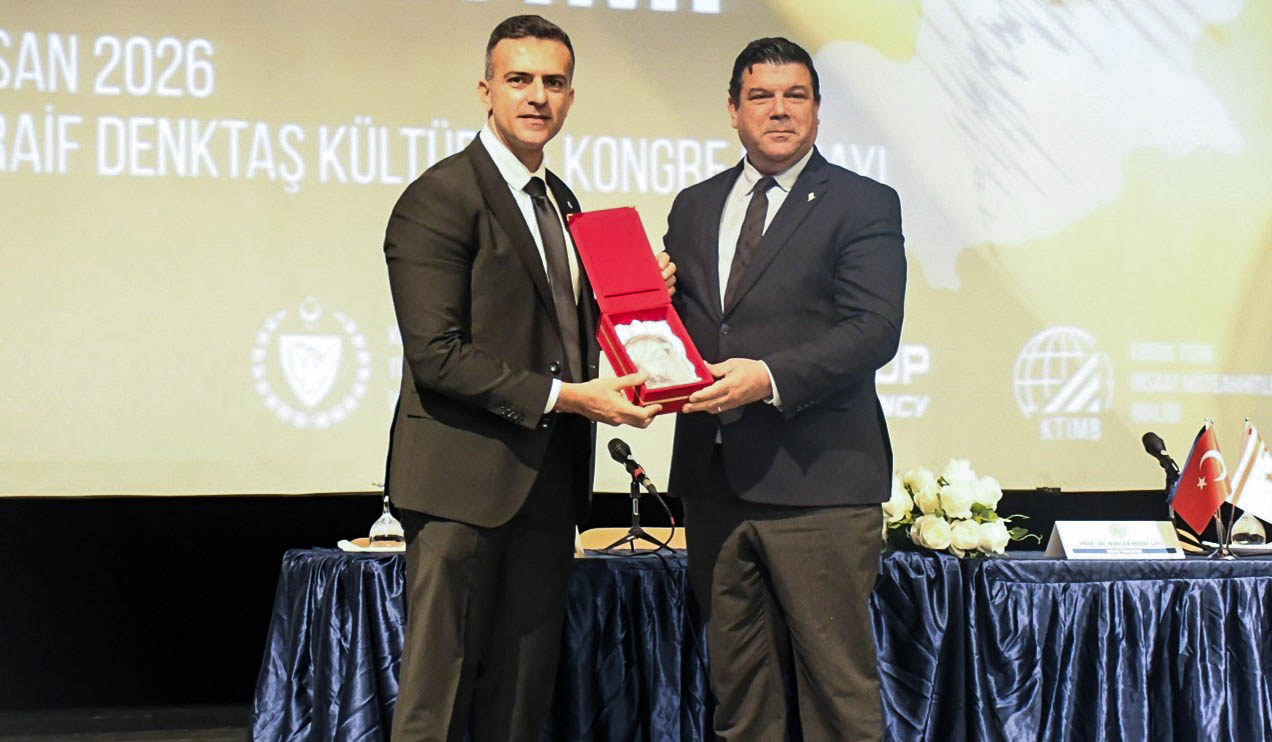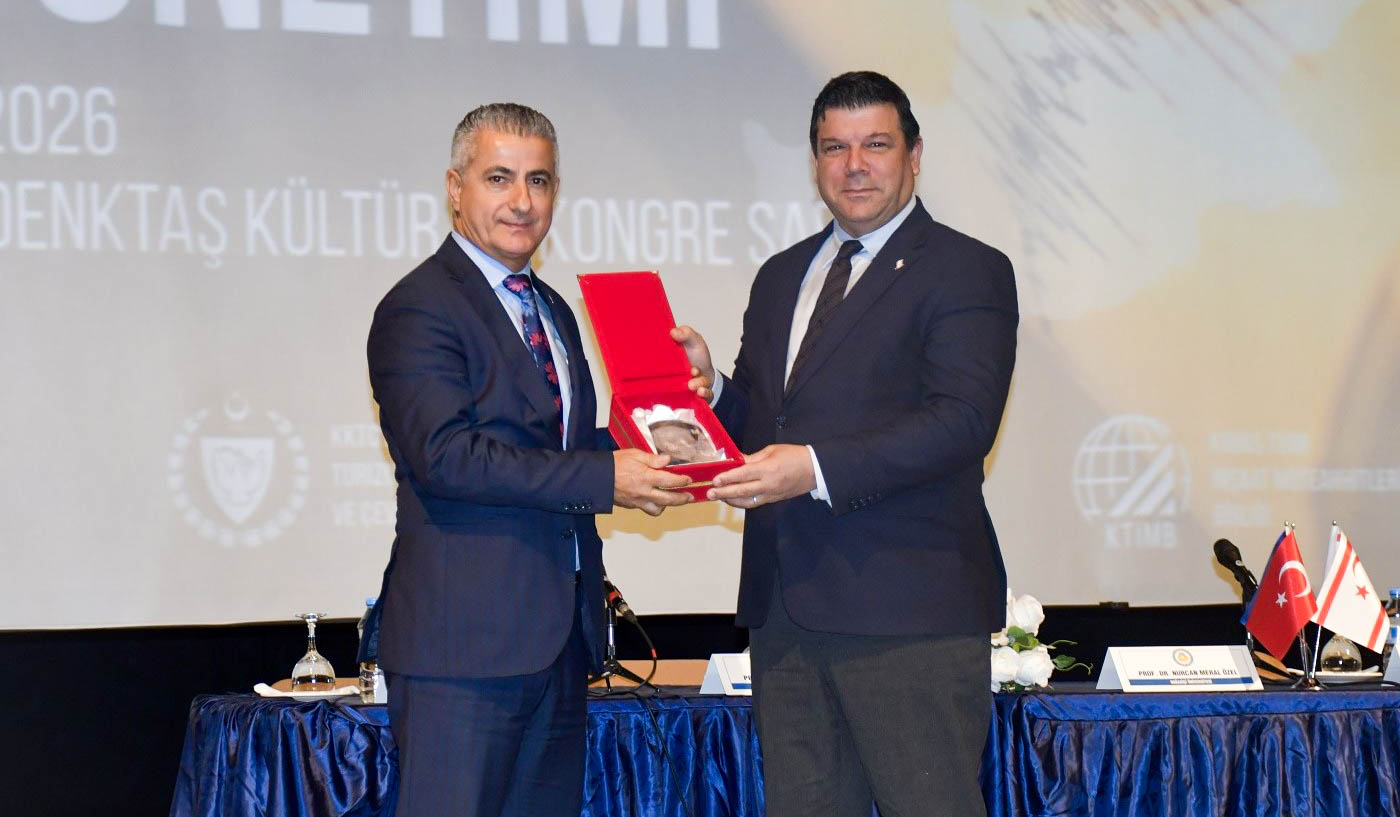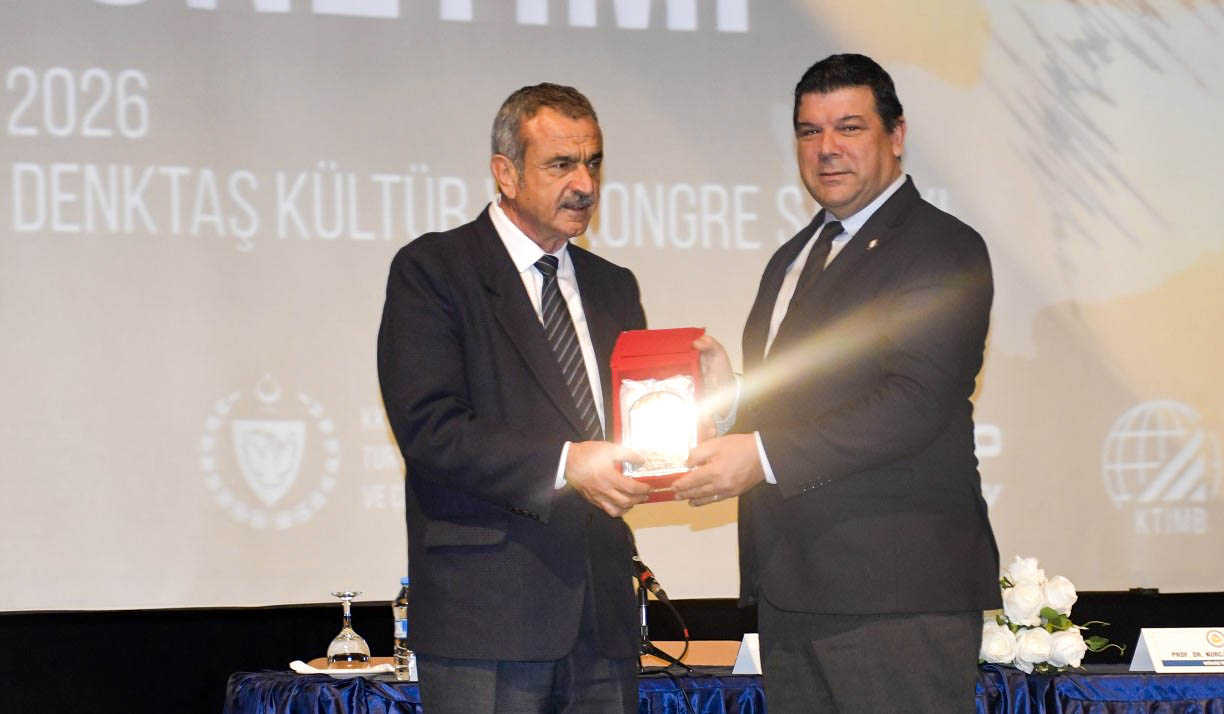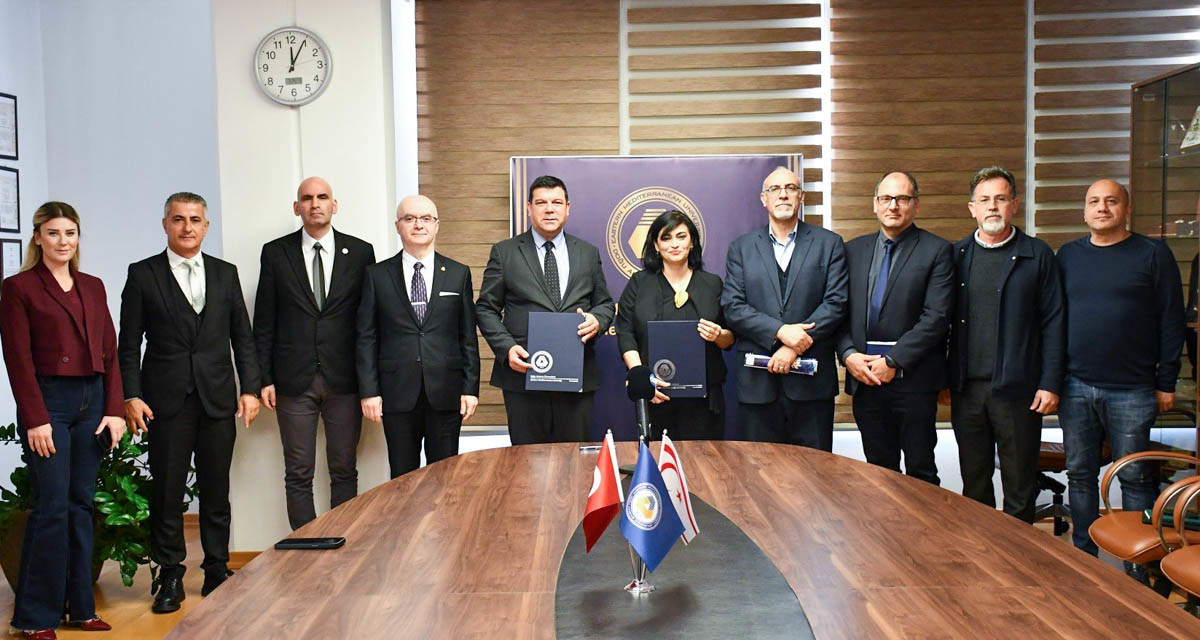
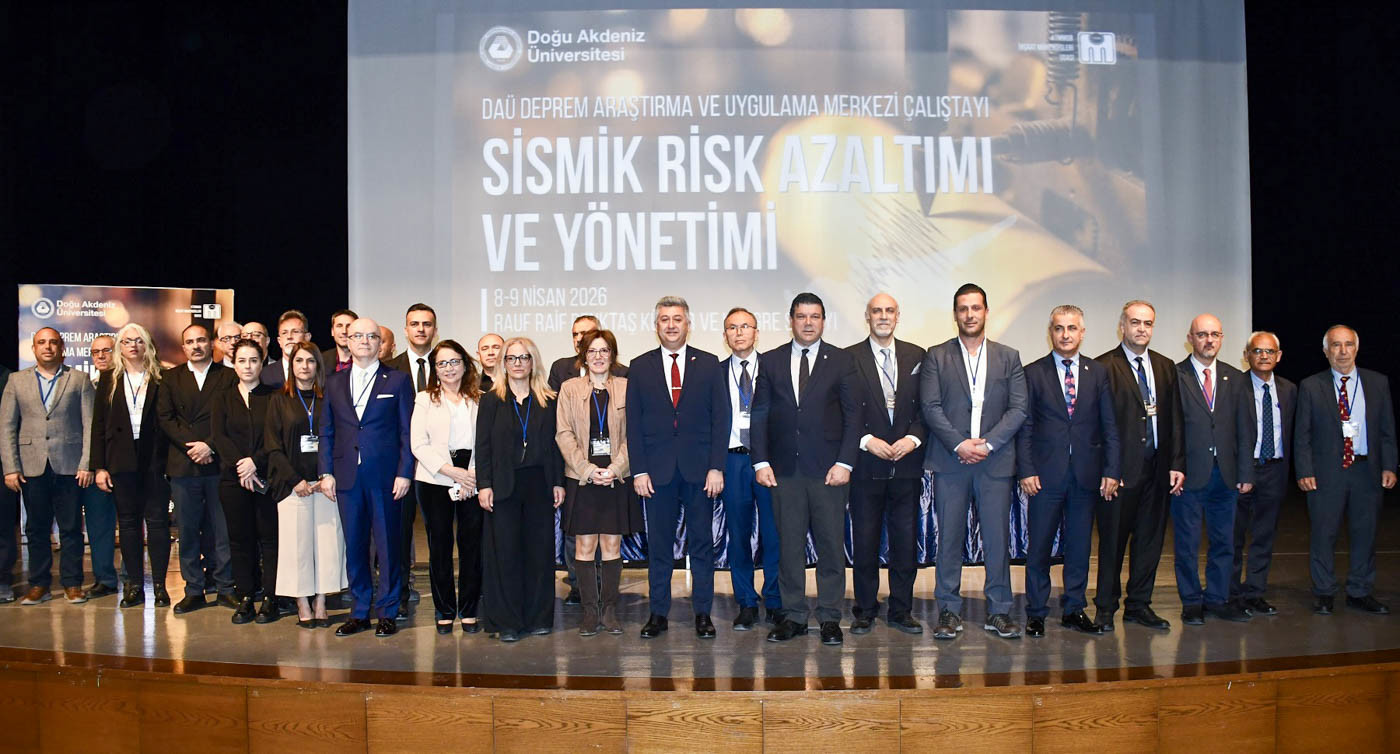
Led by the Eastern Mediterranean University (EMU) Earthquake Research and Application Center (EMU-DAUM), the event titled “1st EMU-DAUM Workshop on Seismic Risk Reduction and Management” took place on 8-9 April 2026 at the Rauf Raif Denktaş Culture and Congress Center, with the participation and cooperation of the Chamber of Civil Engineers (IMO) operating under the body Union of the Chambers of Cyprus Turkish Engineers and Architects (KTMMOB). The workshop event was carried out with the contributions of the Deputy Prime Ministry of the Turkish Republic of Northern Cyprus (TRNC), the Ministry of Tourism, Culture, Youth and Environment, the Cyprus Turkish Construction Contractors Association, and EMU Koop.
The event, which aimed raising awareness on earthquake hazards, risk management, and structural safety in the TRNC and the Eastern Mediterranean region, was attended by Hakan Balaban, Head of Civil Defense Organization in the Turkish Republic of Northern Cyprus (TRNC); EMU Rector Prof. Dr. Hasan Kılıç, Famagusta Mayor Dr. Süleyman Uluçay, EMU Vice Rector Prof. Dr. Osman M. Karatepe and Prof. Dr. Sonuç Zorlu, EMU Secretary General Derviş Ekşici, Union of the Chambers of Cyprus Turkish Engineers and Architects (KTMMOB) General Director Seran Aysal, KTMMOB Chamber of Civil Engineers Secretary General Hüsnü Coşan, EMU-DAUM President Prof. Dr. Mahmood Hosseini, Champion Angels Association’s Chairperson Ruşen Karakaya, Faculty of Engineering Dean Prof. Dr. Hüseyin Özkaramanlı, Civil Engineering Department Chair Assoc. Prof. Dr. Eriş Uygar and expert academics and sector representatives from Türkiye and the TRNC.
“Preparedness is not Optional — It is Essential”
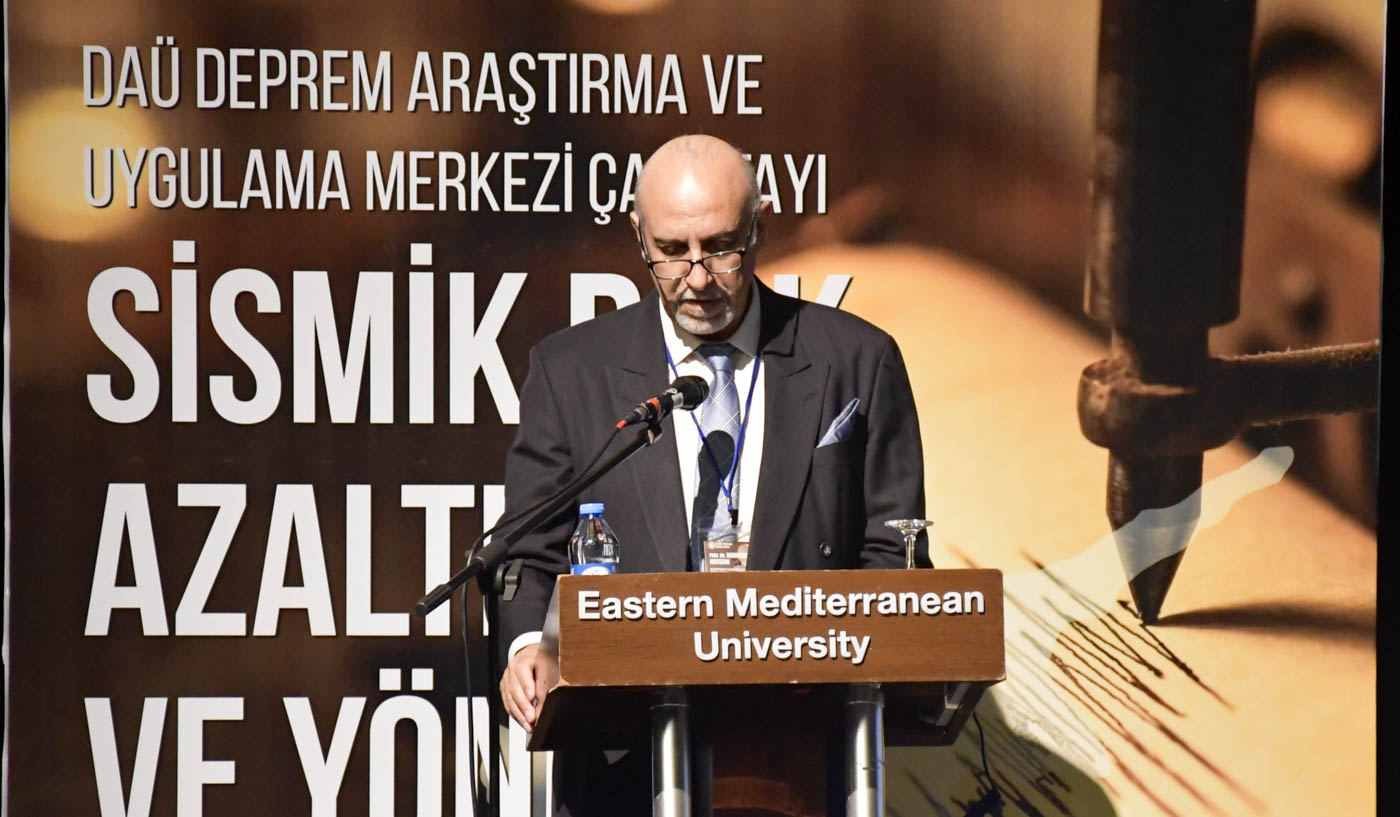
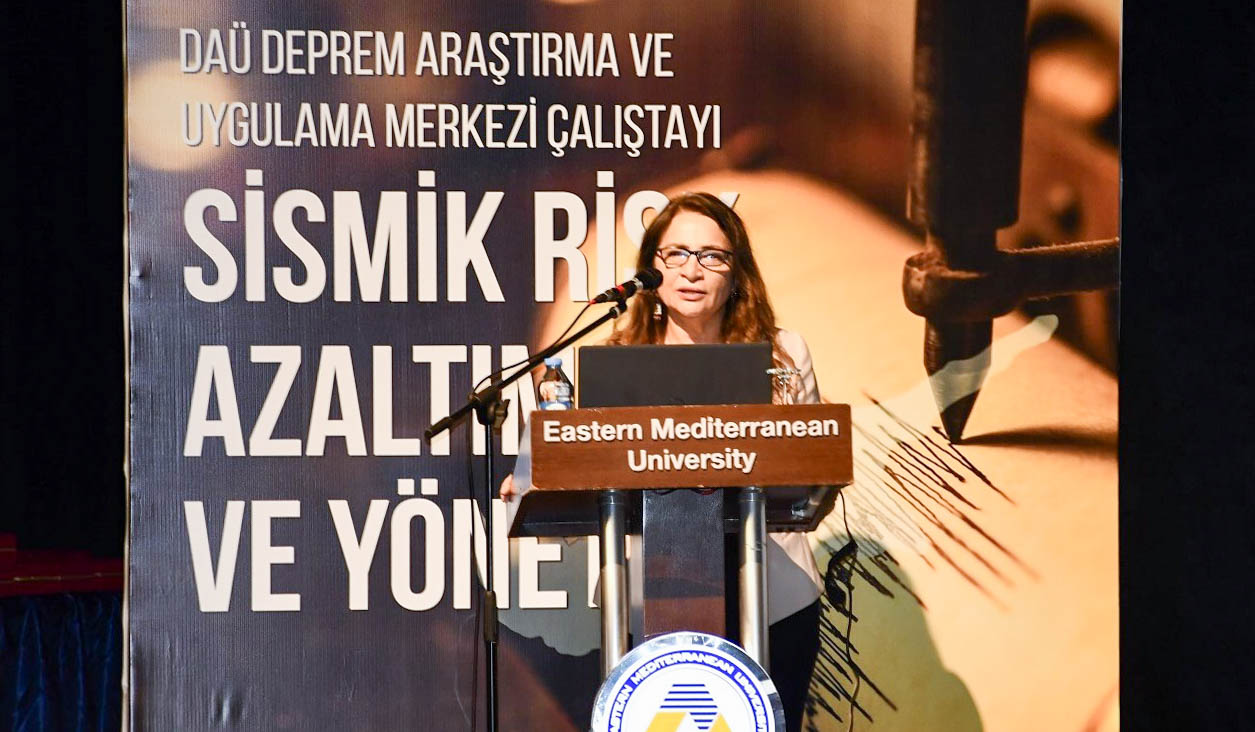
Following the observance of a moment of silence and national anthem, EMU-DAUM President Prof. Dr. Mahmood Hosseini delivered a speech and noted that North Cyprus is situated at the convergence of tectonic plates, highlighting the island’s inherent susceptibility to earthquakes. Referring to the numerous seismic events recorded throughout Cyprus’s history, Prof. Dr. Hosseini emphasized that the island falls within a moderate-to-high seismic hazard zone. In his remarks, Prof. Dr. Hosseini stated:
“Seismic risk reduction is not only a technical challenge; it is a multidisciplinary mission. It involves improving structural resilience, advancing building codes, enhancing urban planning, strengthening emergency response systems, and most importantly, raising public awareness. True resilience is achieved when science, policy, and society move forward together. This context makes our mission clear: preparedness is not optional—it is essential”. Reaffirming EMU’s commitment to advancing research, encouraging collaboration, and transforming knowledge into practical outcomes, Prof. Dr. Hosseini described the workshop as a tangible reflection of this commitment and expressed confidence that it would yield productive outcomes.
“Earthquakes Are an Inseparable Reality of Our Geography”
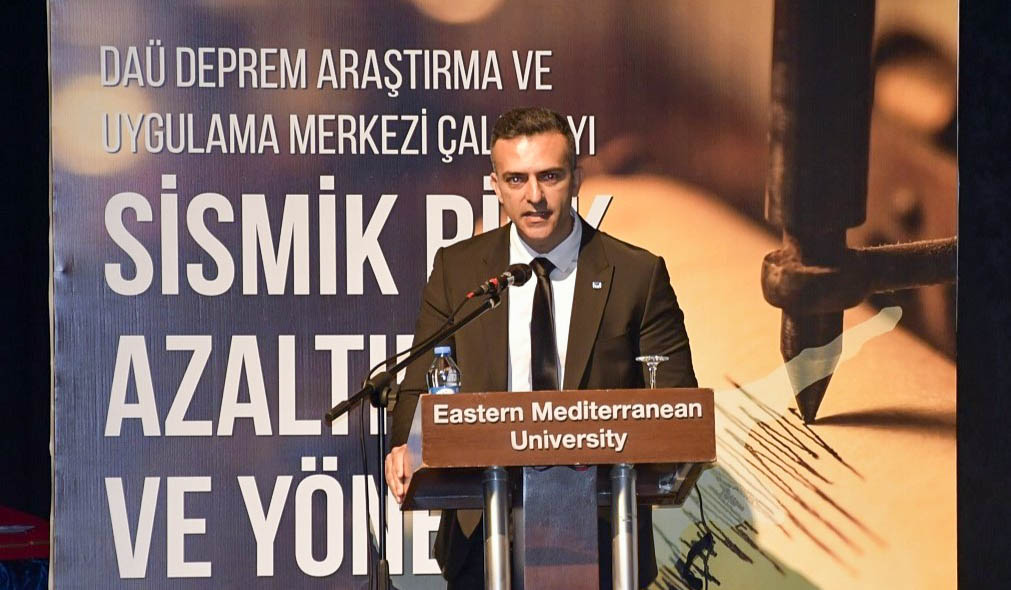
Hüsnü Coşan, Secretary General of the Chamber of Civil Engineers (IMO) under the KTMMOB, stated in his address that earthquakes are an inherent and unavoidable aspect of the geography we live in. He emphasized that the real issue to be addressed is not the disasters themselves, but the fact that negligence and inadequacies can turn natural events into major catastrophes. Coşan underlined that the responsibility of the Chamber extends beyond merely constructing buildings; it also includes creating safe, sustainable, and well-informed living environments. He further noted that the February 6 earthquakes clearly demonstrated the severe consequences of deviating from scientific principles and engineering disciplines. Expressing his belief that the workshop would contribute to enhancing the exchange of scientific knowledge, strengthening inter-institutional cooperation, and, in particular, supporting the implementation of concrete steps toward risk reduction, Coşan concluded by wishing for a productive and successful workshop.
“Applying Knowledge Is as Vital as Producing It”
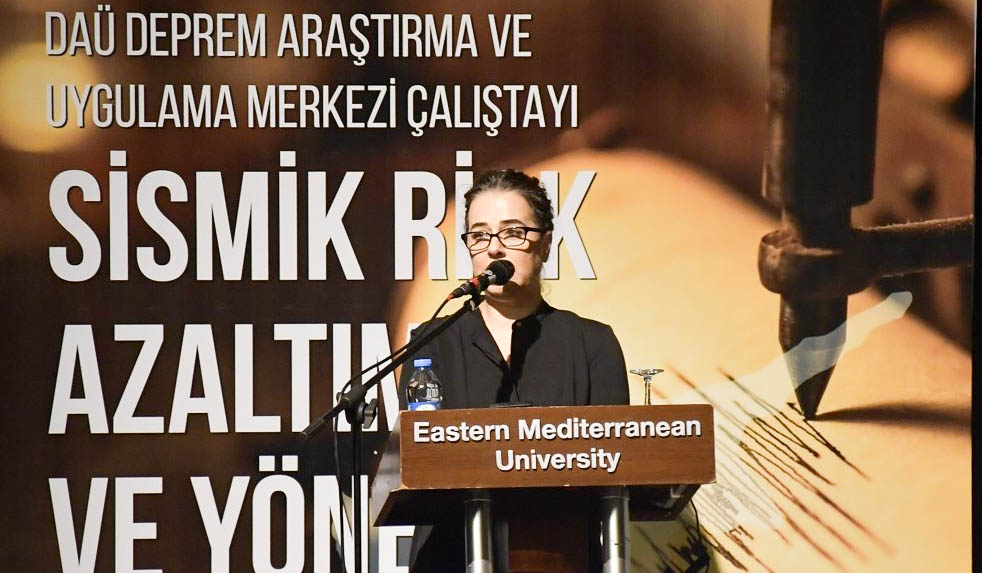
Also making an address, Ruşen Karakaya, Chairperson of the Champion Angels Association, opened her speech with poignant reflections, noting that certain pains do not fade with time but instead deepen, and that some losses are impossible to come to terms with. She described their experience as a preventable tragedy—one that unfolded before their eyes in an environment where science was disregarded and the value of human life was diminished—emphasizing that they lost their children under such conditions, each one a bright hope for society. Karakaya underscored that science is not merely an academic discipline, but an essential foundation of justice. She stressed that when science is neglected, justice is also compromised, leading to consequences that may cost lives. Drawing attention to the importance of the workshop, Karakaya stated that every scientific finding to be discussed represents a meaningful step toward saving lives. She concluded by emphasizing that generating knowledge alone is not enough, and that its practical application is equally crucial.
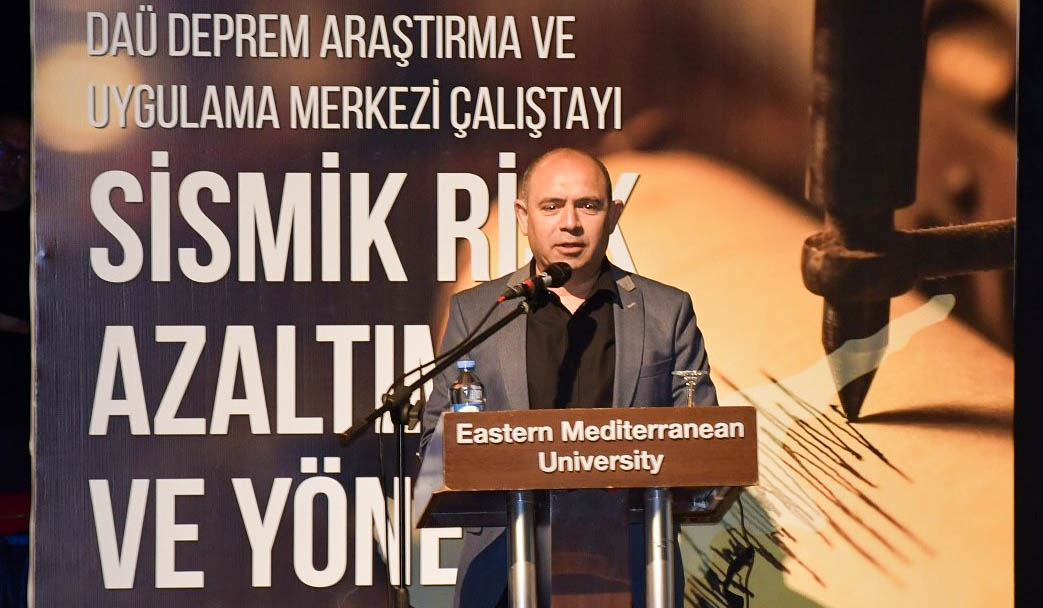
Union of the Chambers of Cyprus Turkish Engineers and Architects (KTMMOB) General Director Seran Aysal, extended his appreciation to all contributors involved in organizing the workshop. He emphasized that the Chamber has been engaged for many years in comprehensive efforts addressing earthquake-related issues, drawing attention to the studies carried out and the preventive measures implemented. Aysal noted that, alongside these initiatives, they have consistently worked to increase awareness among both public authorities and society regarding earthquake risks. He further stated that, as a result of these long-term efforts, key milestones such as the publication of the earthquake hazard map and the earthquake regulations have been achieved. Highlighting their commitment to ensuring that the outcomes of the workshop are effectively translated into societal benefit, Aysal expressed their readiness to contribute in every possible way. He concluded by conveying his wishes for the workshop to be successful and for its outcomes to yield meaningful and beneficial results.
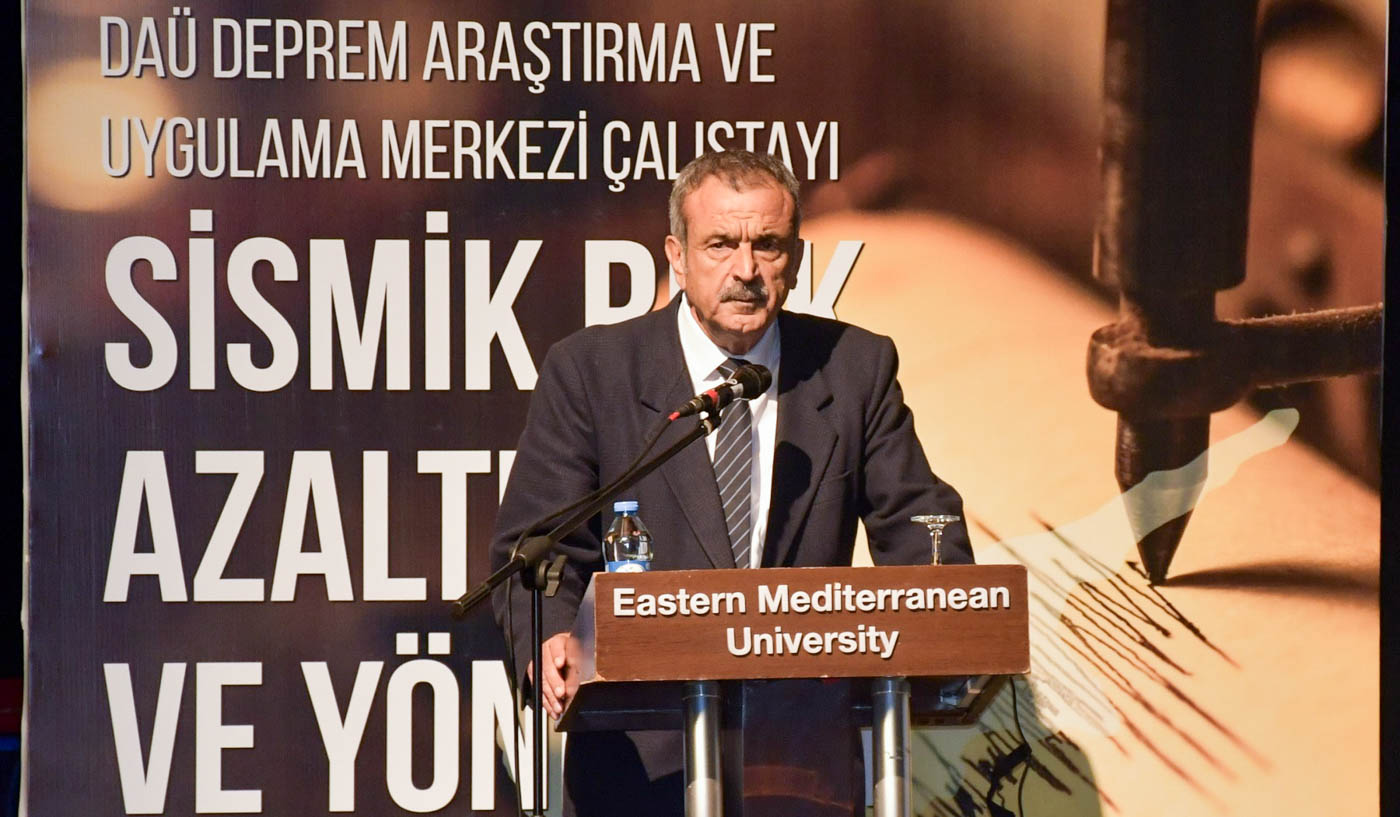
Famagusta Mayor Dr. Süleyman Uluçay underlined that the TRNC is seismically vulnerable, pointing to İskele–Gazimağusa (Famagusta) and Lefke–Gaziveren as key risk areas. He noted that the people of Gazimağusa were among those most affected by the February 6 earthquake, sharing his experiences from Adıyaman. Dr. Uluçay also summarized the municipality’s ongoing efforts and highlighted the steps that still need to be taken.
“We Aim to Build a Strong Roadmap for the Future”
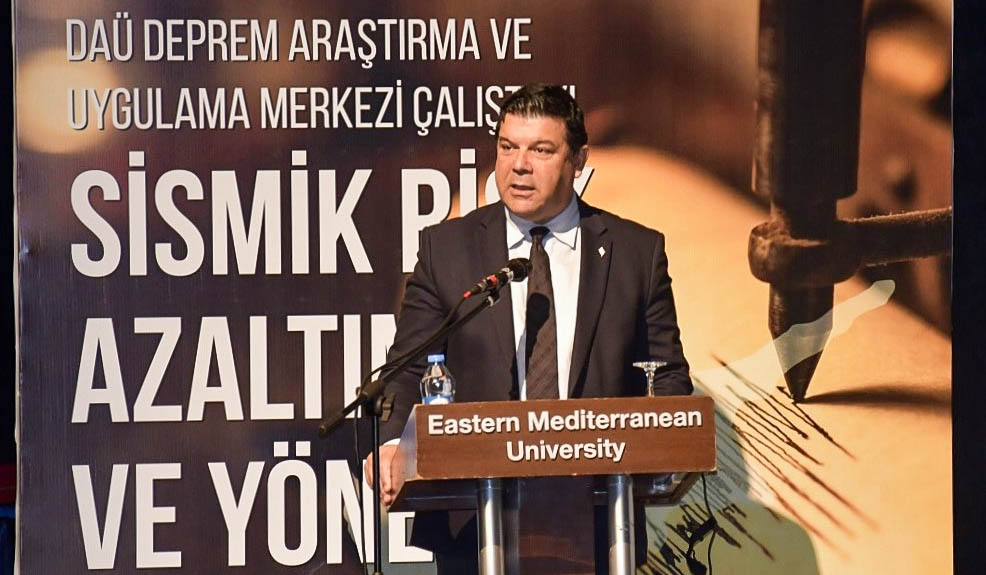
EMU Rector Prof. Dr. Hasan Kılıç emphasized that earthquakes constitute an inherent reality of our lives, noting that tackling this issue through a scientific basis has become an imperative rather than an option. He underlined that Cyprus and the Eastern Mediterranean lie within a geologically active zone shaped by fault lines, making it essential to fully comprehend seismic hazards, conduct accurate risk assessments, and formulate effective risk management strategies. Prof. Dr. Kılıç further stated that the workshop was initiated to address these needs, adding that key topics—including regional seismicity, structural and critical infrastructure inventories, earthquake codes, engineering practices, and emergency preparedness planning—would be examined by leading experts throughout the sessions.
Prof. Dr. Kılıç continued; “I strongly believe this workshop will deliver more than academic insights—it will produce real, actionable outcomes. Our goal is to bring together the work carried out across our country and shape a powerful roadmap for the future. The final declaration will stand as a significant reference for the steps ahead. At EMU, we are guided by a deep sense of responsibility to society. We see it as our duty to lead initiatives grounded in science and to continue supporting efforts that raise earthquake awareness, encourage safe construction, and help build a society prepared for disasters”. Prof. Dr. Kılıç expressed his sincere hope that the workshop would yield beneficial outcomes for the country, the region, and the scientific community, stating that he firmly believes the results of the workshop will translate into concrete steps that will guide decision-making processes.
“We Believe It Will Serve as a Guiding Light”
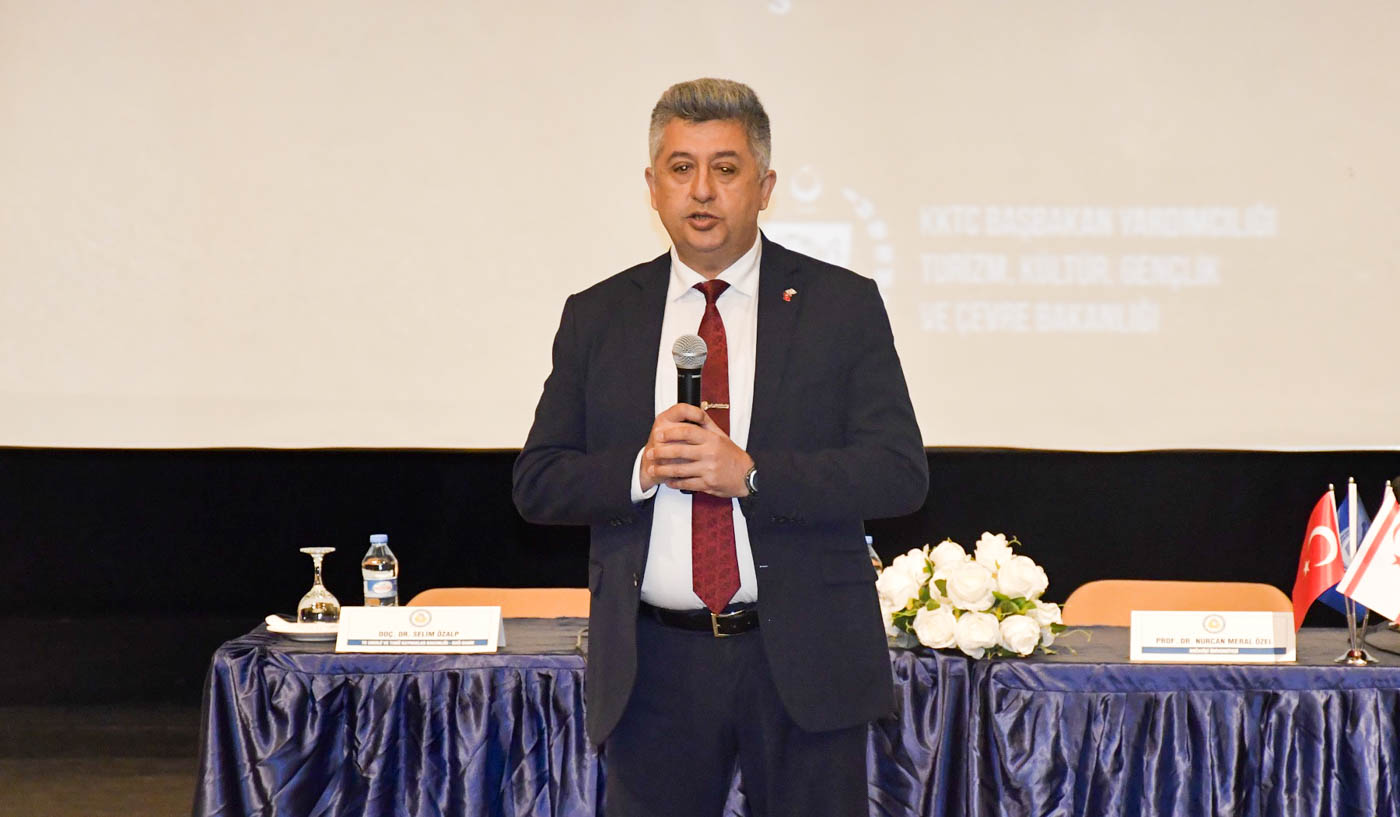
Head of the TRNC Civil Defense Organization Hakan Balaban referred in his speech to his experiences during the February 6 earthquake, emphasizing that the reason he is alive today is the earthquake drill his family had conducted beforehand. Providing information on the activities of the Civil Defense Organization, Balaban stated that the outcomes to be achieved through the workshop are of great importance. He expressed his belief that these outcomes will serve as a guiding light and extended his thanks to all those who contributed to the organization of the workshop.
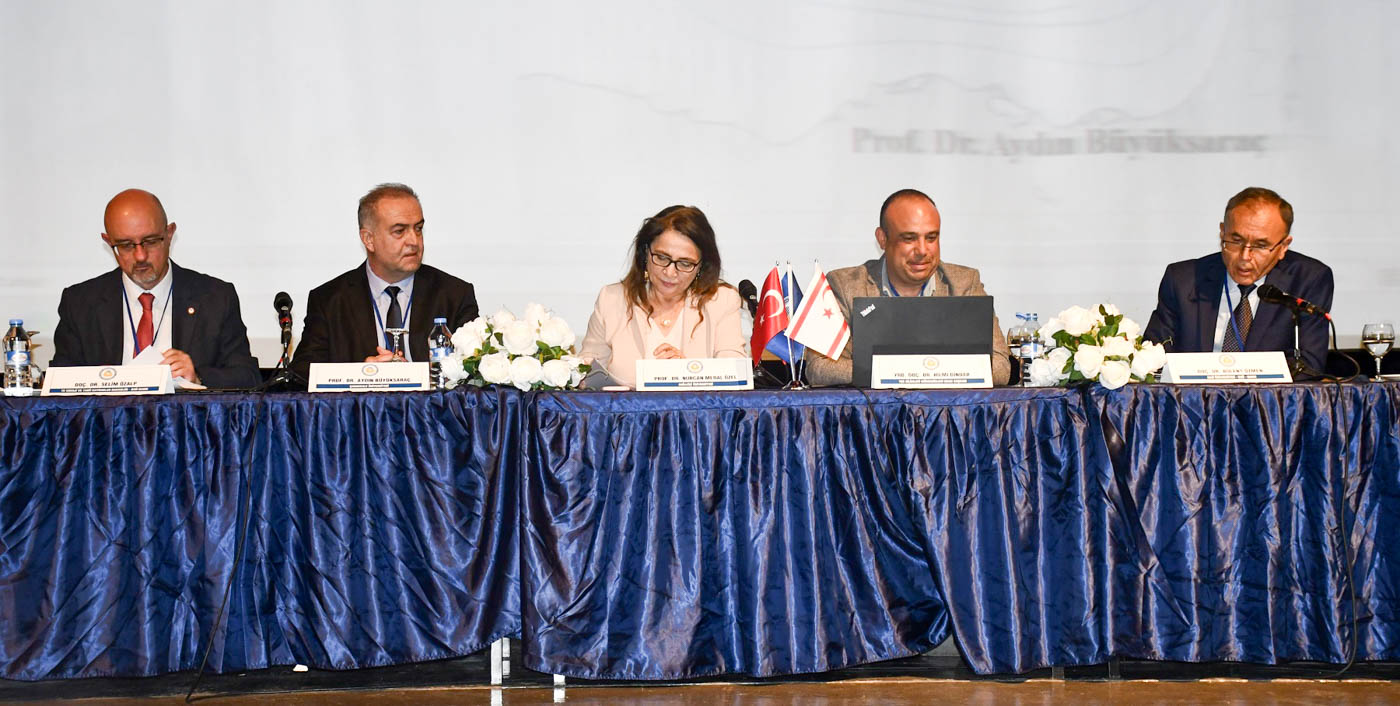
The Earthquake Reality of the TRNC Examined Through Scientific Data
Following the opening remarks, the first session, titled “Seismicity of Cyprus and the Eastern Mediterranean Region,” was conducted. The session featured presentations by Prof. Dr. Nurcan Meral Özel from the Boğaziçi University who is a member of the Presidential Local Government and Disaster Policies Board and former Director of KRDAE; Assist. Prof. Dr. Hilmi Dindar from the Chamber of Geological Engineers and Prof. Dr. Aydın Büyüksaraç from Çanakkale University. The session continued with a discussion and preliminary declaration drafting segment, chaired by Assoc. Prof. Dr. Bülent Özmen from Gazi University, and Assoc. Prof. Dr. Selim Özalp from the Ministry of Energy and Natural Resources of the Republic of Türkiye.
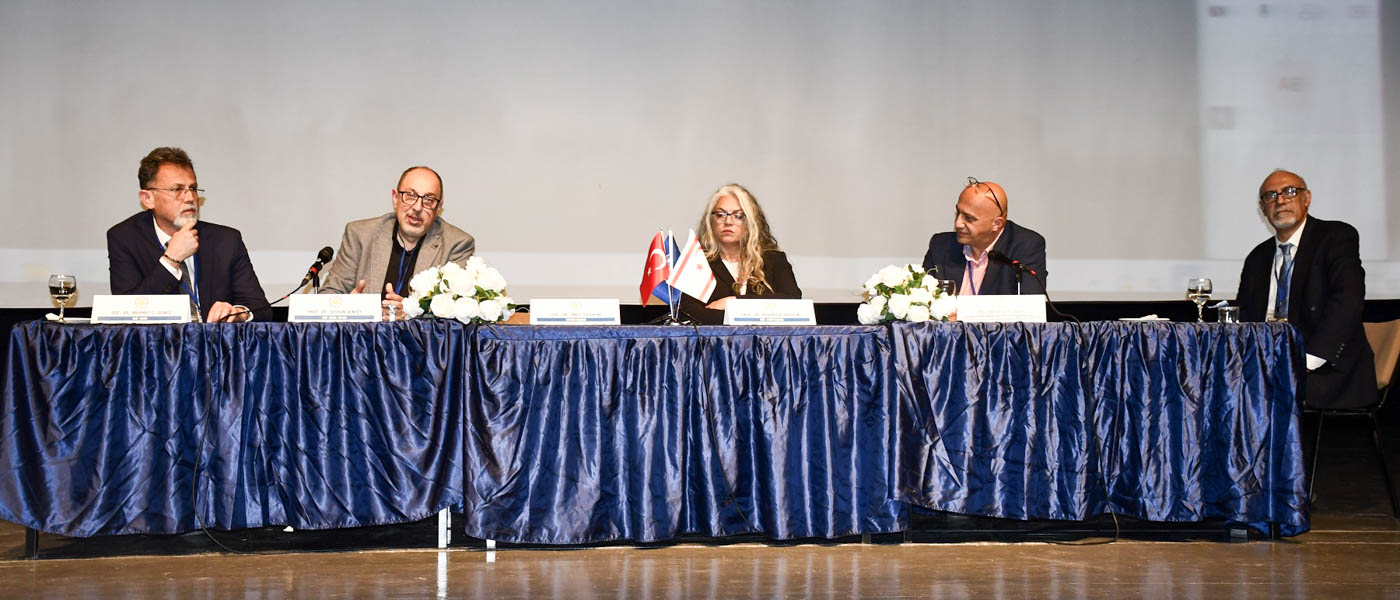
The second session titled “TRNC Building and Critical Infrastructure Inventory” consisted of presentations by Assoc. Prof. Dr. Abdullah Ekinci and Assoc. Prof. Dr. Ayşe P. Balkıs from Chamber of Civil Engineers, as well as Assoc. Prof. Dr. Mehmet C. Geneş, and Prof. Dr. Serhan Şensoy from EMU-DAUM. Speakers assessed the current state of building stock and its earthquake resilience. The session continued with a discussion and preliminary declaration drafting segment, chaired by EMU-DAUM President Prof. Dr. Mahmood Hosseini and Assoc. Prof. Dr. Umut Yıldırım.
Furthermore, a special session was held with the participation of Prof. Dr. Lars Abrahamczyk, Prof. Dr. Mahmood Hosseini, Assoc. Prof. Dr. Ebrahim Haghshenas and Prof. Dr. Gaetano Maenza, where English presentations were delivered.
Focus on Earthquake-Resilient Design and Preparedness
On Thursday, 9 April 2026, the program began with a session titled “Civil Engineering Design Regulations and Standards Related to Earthquakes in the TRNC”. During the event, Prof. Dr. Ahmet Yakut from METU, KTMMOB General Director and Senior Civil Engineer Seran Aysal, Senior Civil Engineer Aydın Öztemel, and Senior Civil Engineer Sinan Türkkan, Dr. Mehmet Necdet from the Chamber of Geological Engineers, focused on earthquake regulations and strengthening practices. The session continued with a discussion and preliminary declaration drafting segment, chaired by Assoc. Prof. Dr. Mehmet c. Geneş and Assoc. Prof. Dr. Umut Yıldırım.
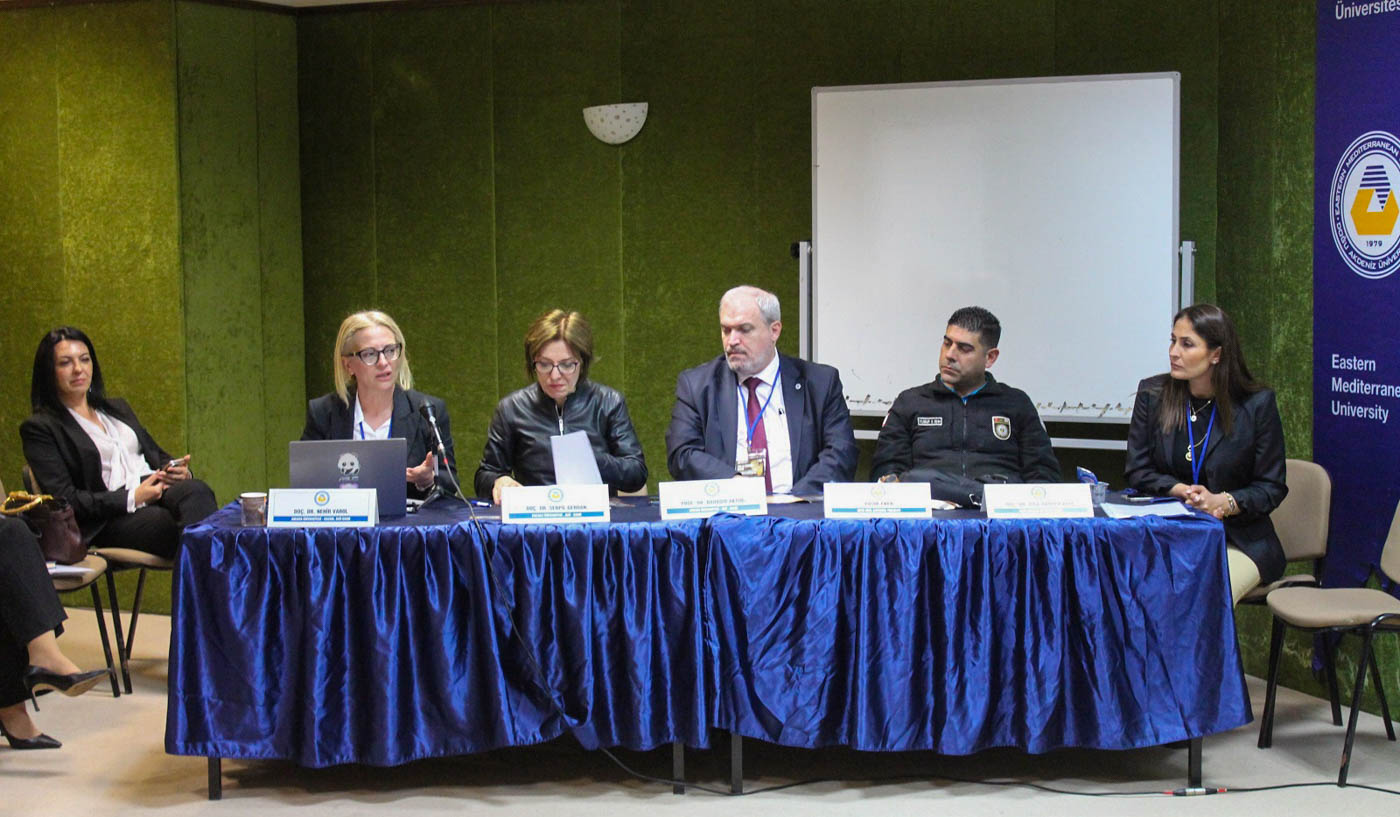
Subsequently, the session titled “Earthquake Emergency Preparedness Planning” was held, featuring presentations by Assoc. Prof. Dr. Nehir Varol from Ankara University, Assoc. Prof. Dr. Özge Akboğa Kale from İzmir Democracy University, Prof. Dr. Bahadır Aktuğ from Ankara University, Yusuf Eker from the TRNC Civil Defense Organization, and a representative from the TRNC State Planning Organization.
Following the presentations, the workshop concluded with a discussion and preliminary declaration session, chaired by Assoc. Prof. Dr. Nehir Varol and Assoc. Prof. Dr. Serpil Gerdan from Kocaeli University.