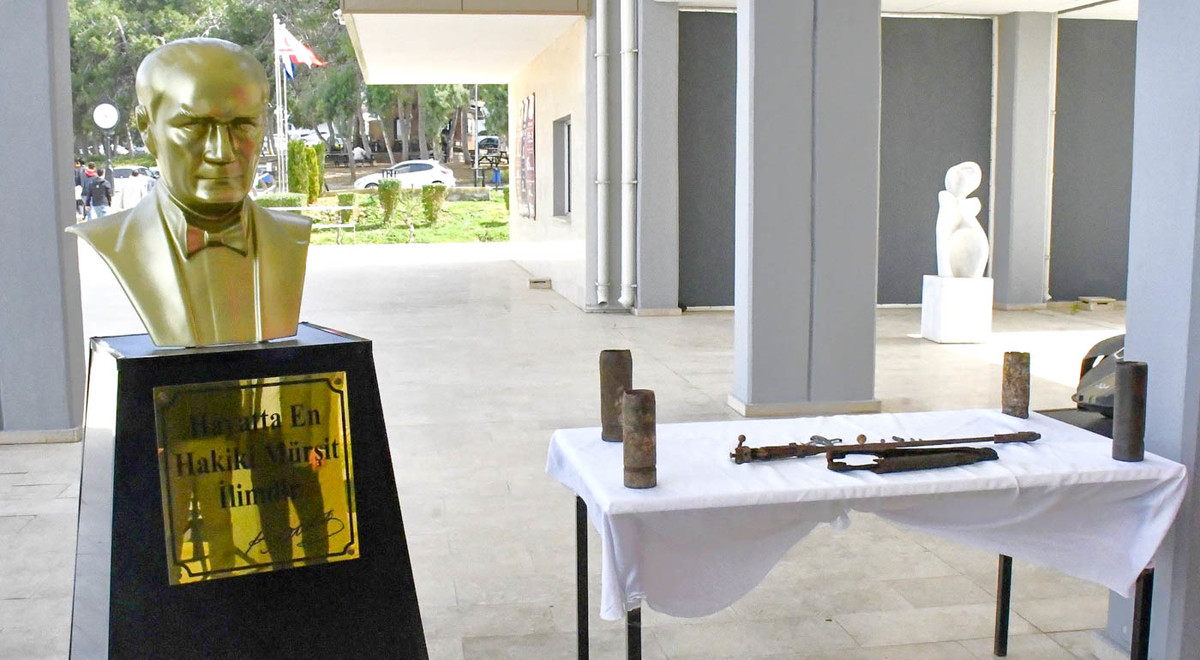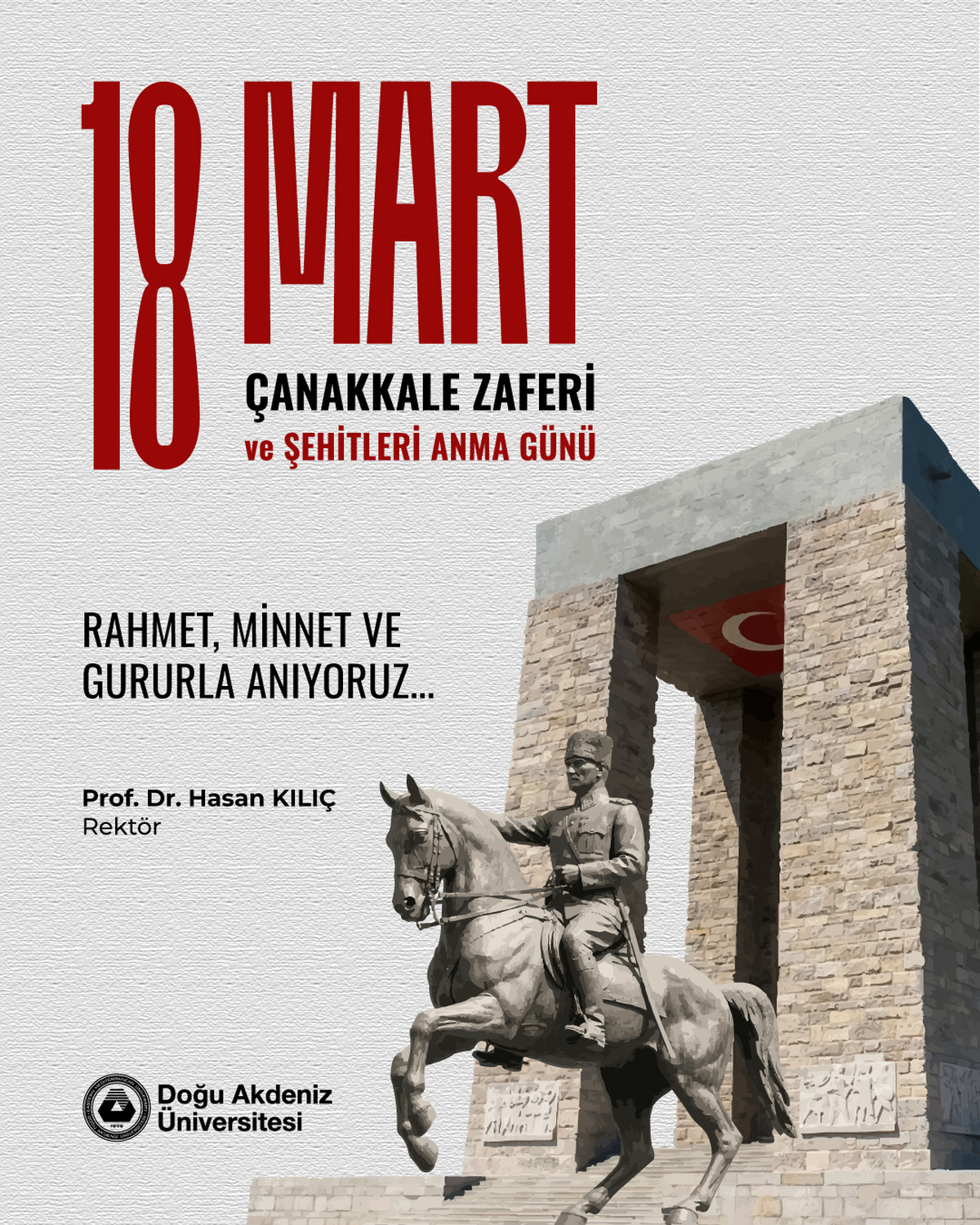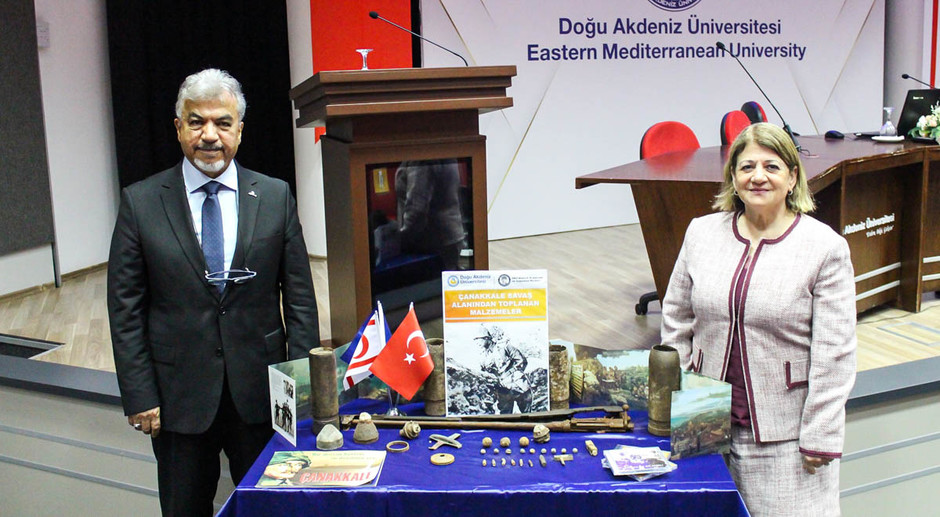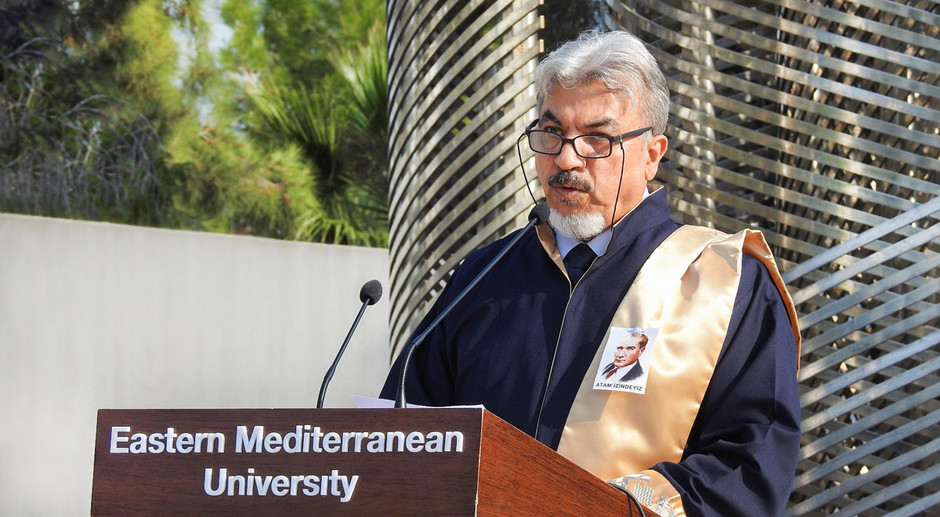
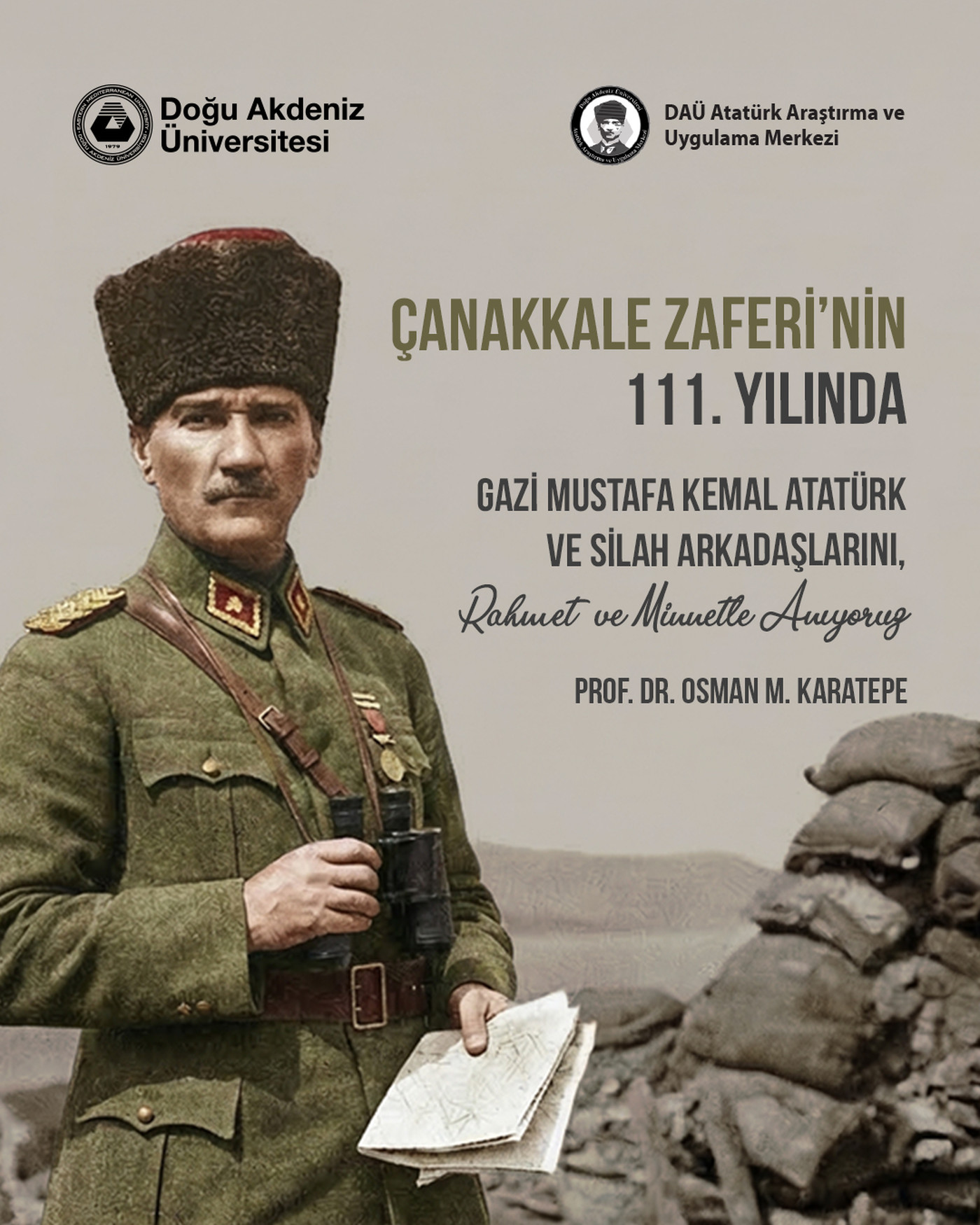
Eastern Mediterranean University (EMU) Vice Rector for Academic Affairs Prof. Dr. Osman M. Karatepe released a statement on behalf of EMU Atatürk Research and Application Center (ATAUM) on the 111th anniversary of 18 March, Çanakkale Victory and Commemoration of Martyrs Day. The statement reads as follows:
“The Republic of Türkiye, now with more than a century of history, was founded through a great struggle under the leadership of Mustafa Kemal Atatürk. A defining turning point of this struggle was the Çanakkale Battles, where naval, land, and limited air operations were carried out together. The resistance at Çanakkale became the first spark of the National Struggle that would follow and revealed to the world the Turkish nation’s unwavering determination for independence. The Çanakkale Naval Victory of 18 March 1915, which holds a special place in our history, was recorded as the first major military success of the Ottoman Empire after a long period during which it had been referred to by European opinion as the “sick man.”
It was a battle of life and death, where the strength of the Turks and Mustafa Kemal was demonstrated with a resounding victory over the great powers. Mustafa Kemal had the opportunity to showcase his military genius and leadership qualities in Çanakkale, earning a special place in the heart of the Turkish nation. In this regard, the Çanakkale Victory was not only a military success, but also a crucial turning point that paved the way for the War of Independence, the founding of the Republic of Türkiye, and the subsequent reforms. Following the collapse of an empire, the Turkish nation rebuilt a new state order in a strong and determined manner under the leadership of its chief architect, Mustafa Kemal.
The Çanakkale Victory, born from immense struggle and faith, marks a pivotal moment not only in Turkish history but also in world history. It demonstrated to the world that even overseas colonial empires with the most advanced weapons and enormous navies could be defeated. The plans of the Allied Powers to pass through the Dardanelles and capture Istanbul ultimately failed, significantly affecting the course of the war. Sir Edward Grey, the British Foreign Secretary at the time, highlighted the historical significance of the Çanakkale Victory, stating, “No event in history has nullified plans and forecasts, disrupted decisions, or broken strategic rules as much as the Çanakkale Battle”.
The impact of this significant conflict on Cyprus unfolded in a unique manner. Unfortunately, the reunion of Turkish Cypriots, who harbored the belief that one day they would reunite with Turkish administration, with the Turks who arrived from the mainland after a long time occurred under bitter circumstances when Turkish prisoners of war from the Çanakkale battles were brought to the Karakol Prison Camp in Famagusta by the British authorities. These Turkish prisoners endeavored to break free from captivity and reach Anatolia before being apprehended by the British. The primary support and assistance in this endeavor originated from within the Turkish Cypriot community. On this occasion, it is also essential to remember with respect and gratitude the Turkish Cypriots who demonstrated great sacrifice in aiding the Çanakkale prisoners of war brought from the motherland.
The Çanakkale Victory should be regarded not only as a military success achieved in the past, but also as one of the strongest symbols of the Turkish nation’s spirit of independence, unity, and solidarity. This victory holds great significance as it demonstrates the determination of a nation that, even under the most adverse conditions, fought with strong will and resolve to sustain its presence on the stage of history. Therefore, Çanakkale is not merely a battlefield; it continues to maintain its importance today as a symbol of resistance and sacrifice embedded in the national memory
On the 111th anniversary of the Çanakkale Victory, we commemorate with gratitude and reverence our Great Leader Mustafa Kemal Atatürk and his comrades, who achieved a great victory for the Turkish nation. We also commemorate our martyrs who lost their lives while fighting for our country, with our deepest appreciation, gratitude and longing.”