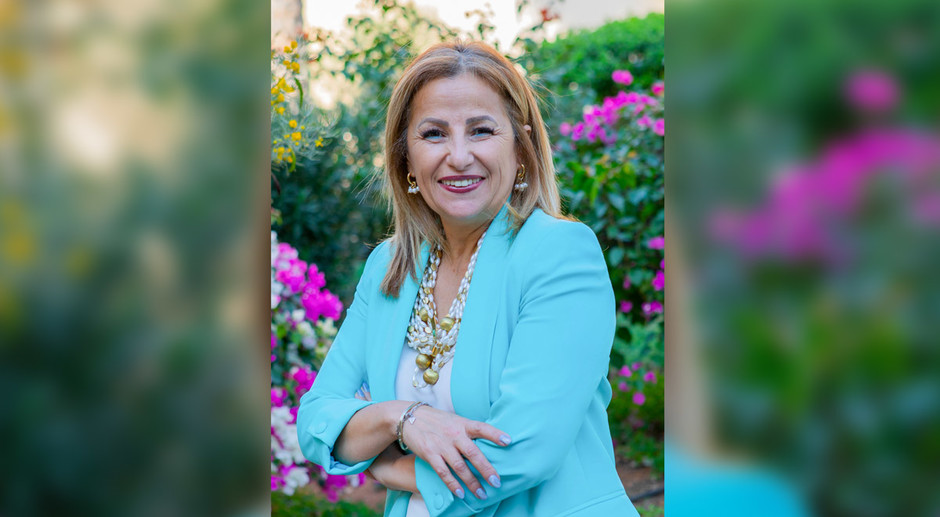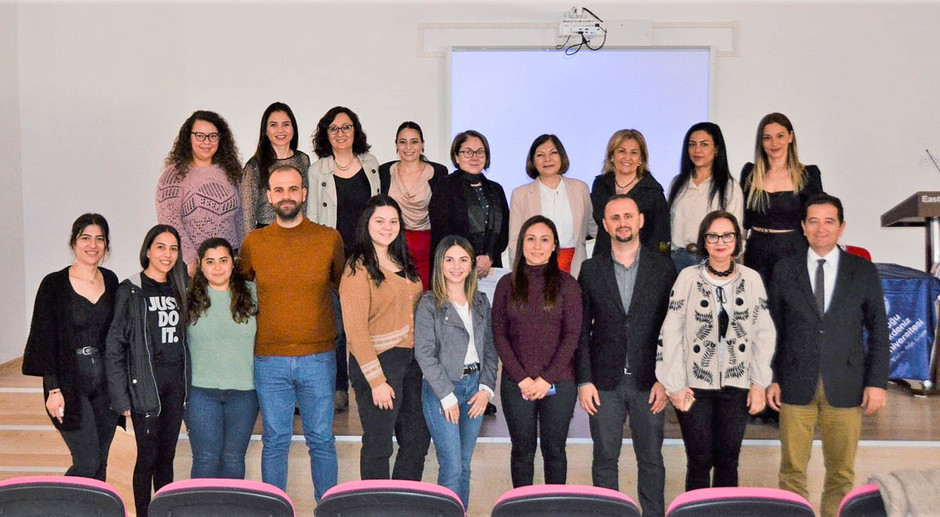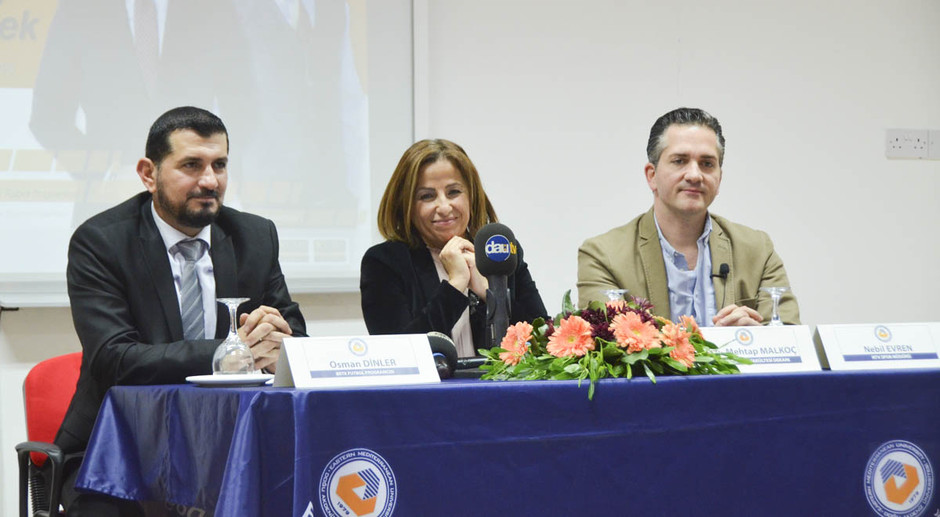
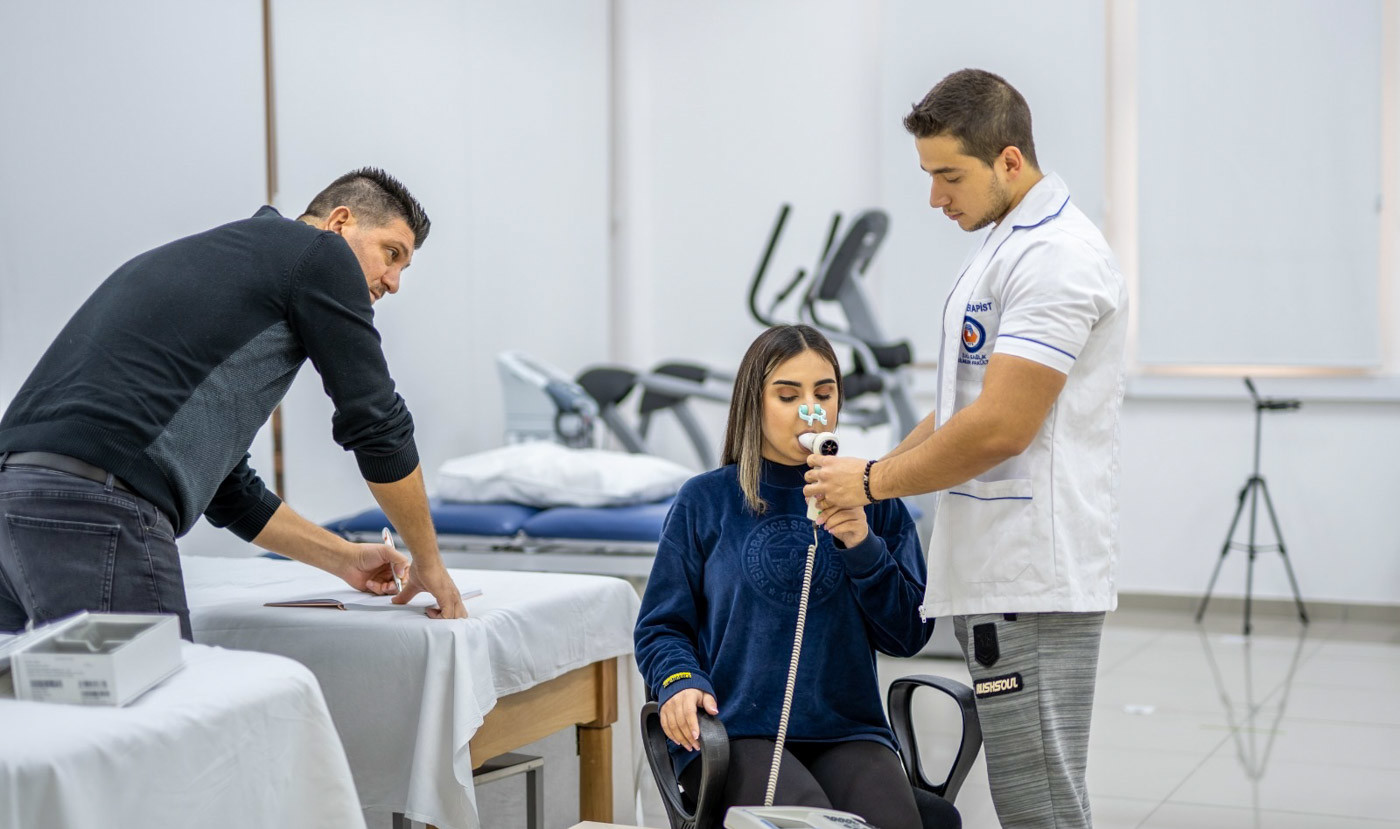
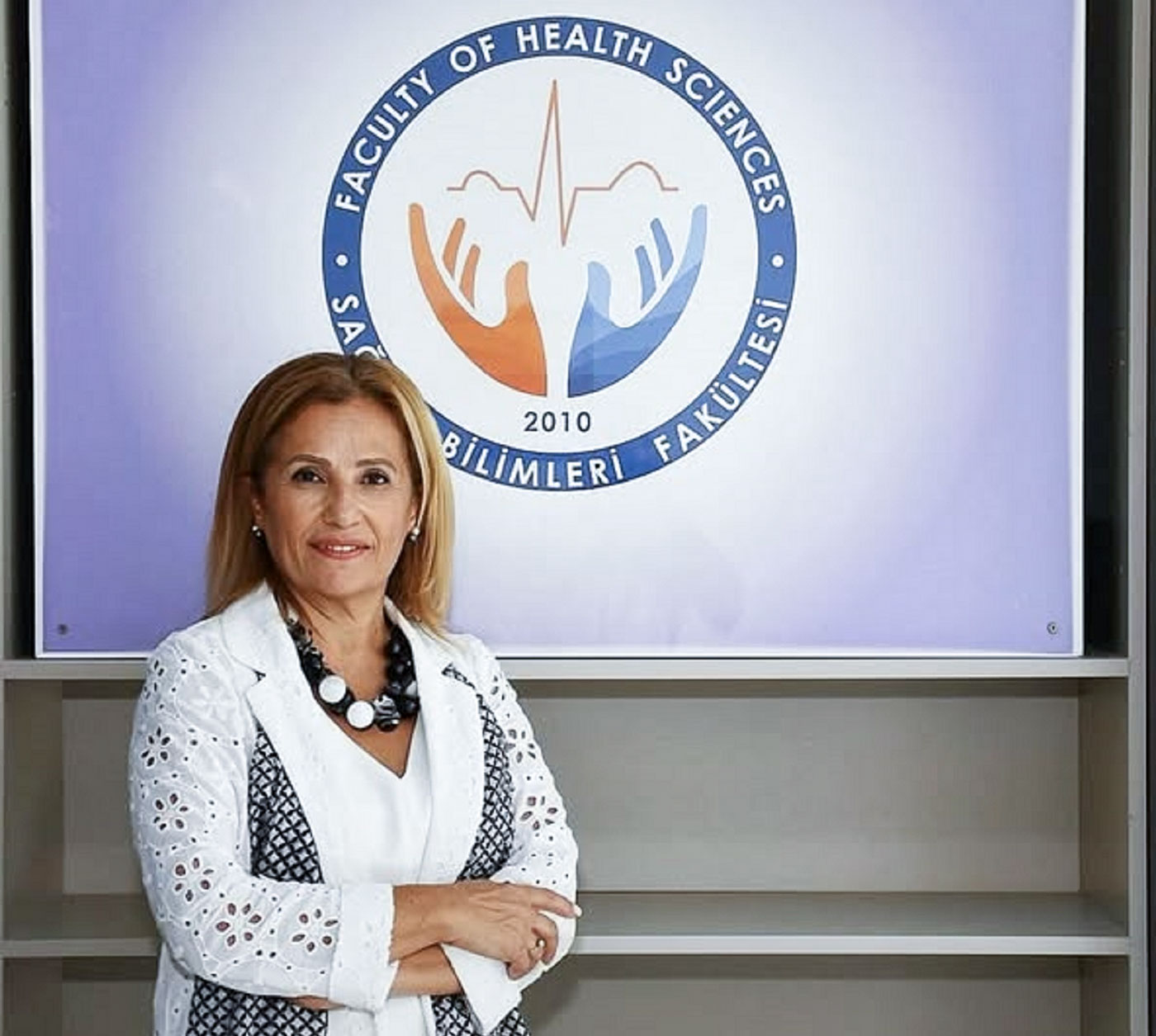
Eastern Mediterranean University (EMU) Faculty of Health Sciences Dean Prof. Dr. Mehtap Malkoç and Faculty of Health Sciences, Department of Physiotherapy and Rehabilitation academic staff member Assist. Prof. Dr. İlker Yatar issued a statement on behalf of the Department of Physiotherapy and Rehabilitation Cardiopulmonary Rehabilitation Unit on the occasion of World Lung Day, observed on 25 September. The statement reads as follows:
“Observed every year on 25 September, World Lung Day is not merely an awareness day drawing attention to respiratory diseases. It is also an important public health call reminding us that lung health must be protected throughout every stage of life. With the 2026 theme, “Healthy Breathing for a Lifetime,” emphasis is placed on safeguarding respiratory health from childhood through to older age. It is not enough to address lung health only after disease develops. What truly matters is protecting lung function from the earliest stages of life, reducing risk factors, and enabling individuals to maintain the highest possible level of physical capacity throughout their lives.
Respiratory diseases continue to be a major cause of illness and reduced quality of life. Asthma, chronic obstructive pulmonary disease (COPD), pneumonia, lung cancer, and other chronic respiratory conditions affect not only the lungs, but also an individual’s mobility, ability to perform daily activities, independence, and participation in social life. For this reason, evaluating lung health solely in terms of the ability to breathe would be incomplete. For us, the key question is this: How effectively can individuals use their breathing in daily life? Can they move comfortably, climb stairs, walk, and continue to live independently?
Lung Health Begins to Take Shape in the Earliest Stages of Life
Lung development begins before birth. Exposure to cigarette and tobacco smoke during pregnancy, air pollution, nutritional deficiencies, and environmental risk factors can adversely affect lung development. During childhood and adolescence, the lungs continue to develop until an individual reaches their peak lung capacity. Therefore, it is extremely important for children to grow up in environments with clean air, to be protected from second-hand smoke, to receive appropriate treatment for respiratory infections, and to make regular physical activity a natural part of everyday life.
In Adulthood, the Goal Is Not Only to Prevent Disease, but Also to Preserve Capacity
During adulthood, avoiding smoking and other tobacco products, engaging in regular physical activity, maintaining a healthy diet, and reducing exposure to environmental risks are among the key measures for protecting lung health. Individuals who experience shortness of breath tend to become less physically active. As activity levels decline, muscle strength and exercise capacity also decrease. With reduced physical capacity, the same daily activities become more demanding, causing shortness of breath to be felt more intensely. This is precisely where respiratory physiotherapy and cardiopulmonary rehabilitation play a vital role.
Respiratory Physiotherapy Is Much More Than Breathing Exercises
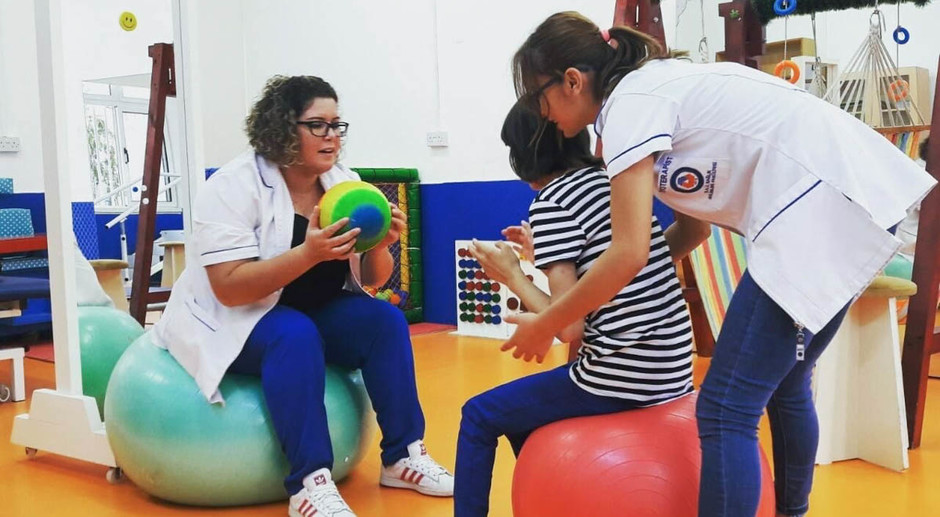
Respiratory physiotherapy is sometimes perceived by the public as little more than teaching a few breathing exercises. In reality, however, modern cardiopulmonary rehabilitation is a far more comprehensive approach. An individual’s respiratory function, muscle strength, exercise capacity, daily activities, level of physical activity, and degree of shortness of breath are assessed in detail. A personalized rehabilitation program is then developed in accordance with the individual’s specific needs. Such programs may include aerobic exercise, strengthening exercises, breathing exercises, respiratory muscle training, strategies to increase physical activity, energy conservation techniques, and, where necessary, airway clearance techniques. Particularly in chronic respiratory diseases such as COPD, one of the primary goals of cardiopulmonary rehabilitation is to help individuals become more active and independent in their daily lives.
Movement Is an Essential Part of Lung Health
The importance of regular physical activity in maintaining lung health is often not emphasized enough. Yet physical activity is crucial not only for cardiovascular, muscular, and bone health, but also for preserving cardiorespiratory capacity. Especially in older age, avoiding movement because of shortness of breath may lead to a more rapid loss of independence. Therefore, rather than adopting the approach of “I get short of breath, so I should avoid physical activity,” individuals should ask, under the guidance of healthcare professionals, “How can I stay active safely and appropriately?” Determining an appropriate level of exercise intensity, managing shortness of breath, and restructuring daily activities are among the key areas in which physiotherapists play an important role.
What Can We Do to Protect Our Lung Health?
One of the most important steps is to avoid smoking and other tobacco products. In addition, exposure to indoor and outdoor air pollution should be reduced, enclosed spaces should be ventilated regularly, recommended vaccinations should be kept up to date, respiratory infections should not be neglected, and routine health check-ups should be maintained. However, we would like to add one more essential point: staying active. Engaging in regular physical activity appropriate to our age, health status, and physical capacity is one of the key components of maintaining both lung and cardiovascular health. For individuals with chronic respiratory diseases, it is important that, following an appropriate assessment, they are not advised to avoid exercise. On the contrary, they should be guided towards a safe and effective exercise program tailored to their individual needs.
EMU Cardiopulmonary Rehabilitation Unit Stands by the Community
As the Cardiopulmonary Rehabilitation Unit of the Eastern Mediterranean University Faculty of Health Sciences, Department of Physiotherapy and Rehabilitation, we provide assessment, physiotherapy, exercise counselling, and rehabilitation services for individuals experiencing respiratory and cardiopulmonary conditions. At our Unit, each individual’s health status, physical capacity, exercise tolerance, and difficulties encountered in daily life are assessed in detail, allowing personalized approaches to be planned according to their specific needs. Our aim is not only to provide rehabilitation support after a condition develops, but also to strengthen preventive health awareness within the community, promote physical activity, and contribute to the lifelong protection of lung health.
Healthy Lungs Mean an Active Life
Breathing is fundamental to life; however, for a healthy life, what truly matters is being able to sustain that breath through movement, independence, and active participation in everyday life.”