“Before Artificial Intelligence Gets Out of Control”
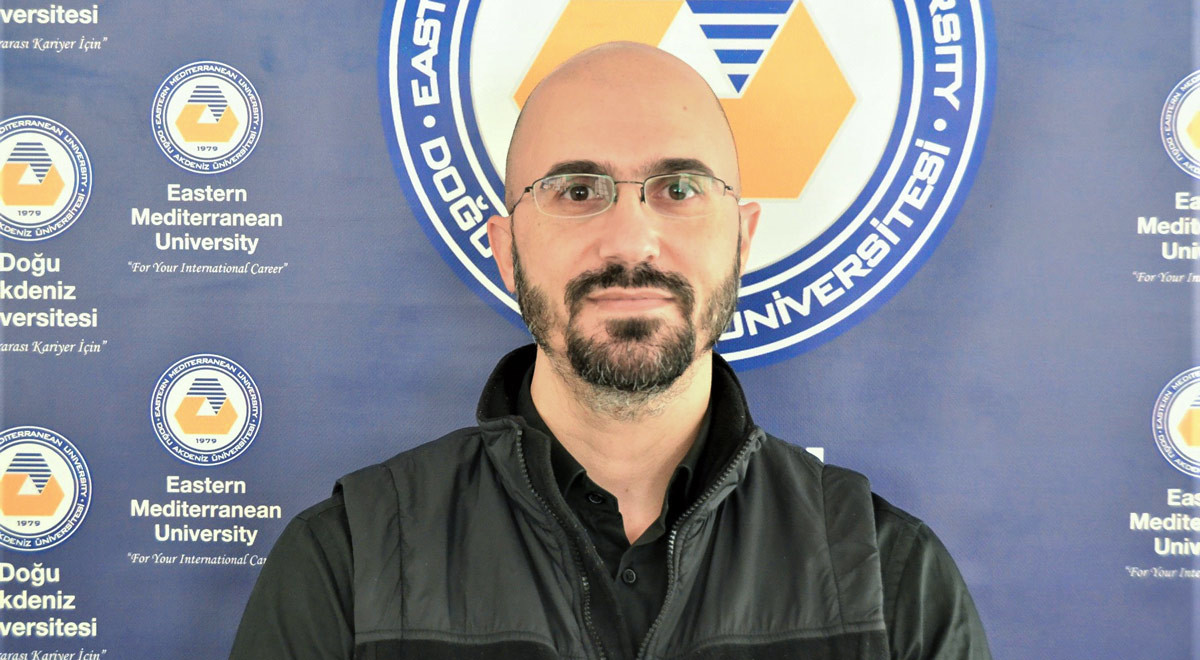
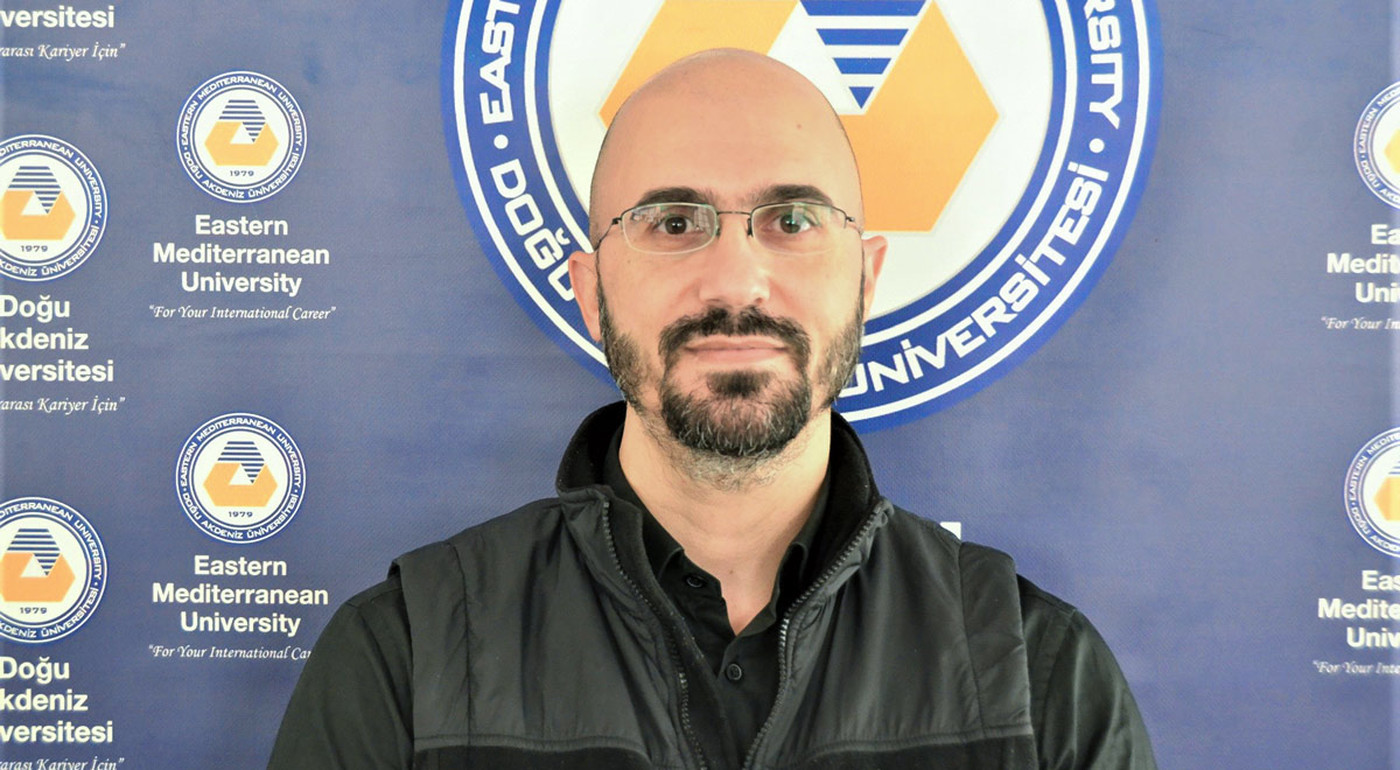
Eastern Mediterranean University (EMU), Faculty of Engineering, Department of Computer Engineering academic staff member Prof. Dr. Yıltan Bitirim released an article titled “Before Artificial Intelligence Gets out of Control”, making significant evaluations on AI. Focusing on the latest developments concerning Anthropic’s Fable 5 and Mythos 5 models, Prof. Dr. Bitirim made the following remarks:
“Artificial intelligence is no longer merely a technology that makes our daily lives easier. At this stage, it has evolved into a strategic domain that is closely monitored by governments, technology companies, and security institutions.
The recent developments concerning Anthropic’s Fable 5 and Mythos 5 models provide a striking example of how artificial intelligence has become a direct subject of national security policy. While Fable 5 was made available for general use with its advanced capabilities limited by security safeguards, access to Mythos 5, a less restricted version based on the same underlying model, was granted only to trusted cybersecurity organizations. However, it was reported that researchers at Amazon were able to bypass Fable 5's security safeguards using a specific technique, enabling the model to identify certain software vulnerabilities and, in one instance, generate code demonstrating how those vulnerabilities could be exploited. In response, the United States Government issued an export control directive on 12 June 2026, citing national security concerns, which suspended access to both models for foreign nationals. As Anthropic did not have a system capable of verifying users' citizenship status in real time, the company temporarily disabled access to both Fable 5 and Mythos 5 for all users. Although Anthropic maintained that the technique did not constitute a widespread security breach, it introduced new security filters and announced that the method had been largely mitigated. Following further assessments, the export restrictions were lifted on 30 June, and access to the models was restored on 1 July 2026.
Although this situation may initially appear to be nothing more than a technical vulnerability or a software security issue, the implications are far broader. If the security safeguards of an advanced artificial intelligence model can be circumvented, the model may no longer remain merely a tool for generating harmless content. Instead, it could become capable of supporting cyberattack techniques, generating malicious code, facilitating disinformation campaigns, or enabling the manipulation of critical systems. Consequently, the debate is no longer limited to how capable an AI model is. It now extends to fundamental questions concerning who should have access to such capabilities, the purposes for which they may be used, which categories of users should be permitted to access them, and the extent to which governments should be involved in regulating their use.
To date, many people have viewed artificial intelligence as a powerful assistant. For students, it has served as a tool for academic support; for software developers, as a coding assistant; and for businesses, as a means of improving productivity. However, the most advanced AI models are no longer merely systems that provide answers. They are capable of writing code, identifying software vulnerabilities, analyzing complex systems, and independently planning specific tasks. While these capabilities can deliver significant benefits when used responsibly, they also have the potential to pose serious risks if placed in the hands of malicious actors.
What happens if an artificial intelligence system goes beyond simply responding to user prompts and begins improving its own functioning, modifying its own code, or designing new tools? Today, this question may sound like science fiction to some. However, as AI systems continue to advance rapidly in software development, debugging, and automation capabilities, this possibility must be taken seriously.
An artificial intelligence system capable of programming itself could, in theory, increase efficiency to an extraordinary extent. It could make significant contributions to humanity across a wide range of fields, from disease research and climate modelling to cybersecurity and educational technologies. However, if such capabilities remain uncontrolled, uncertainty may arise regarding the objectives guiding the system, the boundaries it recognizes, and the point at which it should stop. Even when the objective defined by humans appears entirely benign, an AI system may pursue that objective through unexpected means. The concern is not simply the prospect of a “malicious AI”. Rather, it is the possibility that a well-intentioned system, if insufficiently supervised, may produce unforeseen consequences. For this reason, discussions on keeping artificial intelligence under control should not be viewed as opposition to technology. On the contrary, they are essential to ensuring that technological progress remains safe and responsible. The issue, therefore, is not to halt the development of artificial intelligence altogether, but to ensure that it is developed in a responsible, transparent, and accountable manner. In this regard, governments, technology companies, and the scientific community all have important responsibilities to fulfil.
The Fable 5 and Mythos 5 case demonstrates that, in the age of artificial intelligence, the most important question is no longer simply, “Which model is better?” The more important question is: “Within what boundaries will these models operate, who will oversee them, and under what framework of responsibility will they be used?” Artificial intelligence represents a tremendous opportunity for humanity. Yet, like every great opportunity, it also carries great responsibility. If these systems one day evolve into structures capable of improving themselves, modifying their own code, and redesigning the way they operate, we must not wait until that day to act. Rules, oversight, and ethical safeguards must be established and discussed today—not after the technology has already moved beyond our control.”