
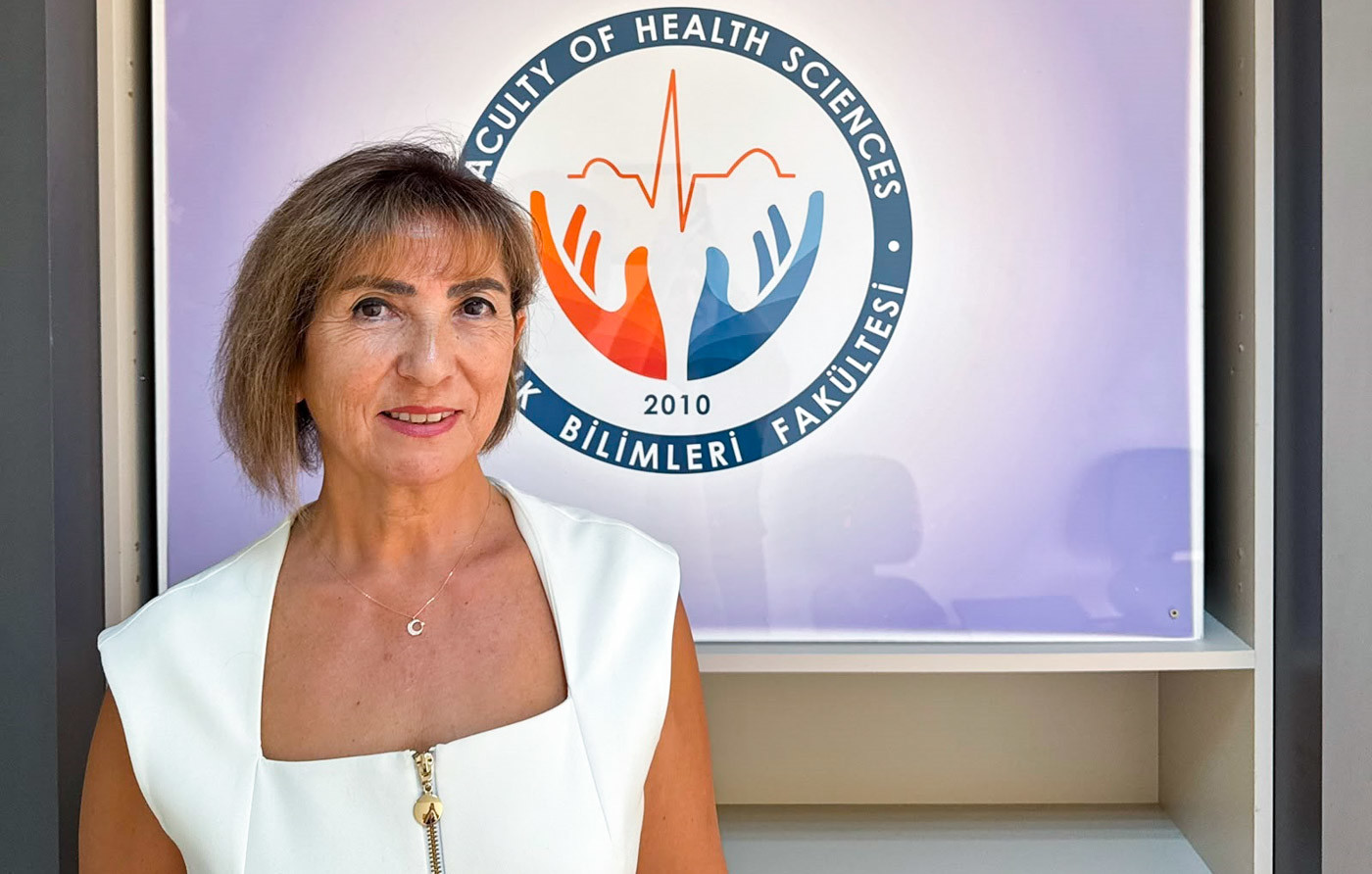
Eastern Mediterranean University (EMU), Faculty of Health Sciences Vice Dean Assist. Prof. Dr. Asiye Yeter Başaran released a statement titled “Adding Life to Years, and Years to Life: How Should We Eat in the Age of Longevity?” on the occasion of October 1, International Day of Older Persons.
“The United Nations has designated the theme of the 2026 International Day of Older Persons, observed on 1 October, as ‘The Age of Longevity: Rethinking Systems for Longer Lives.’ This theme brings us face to face with a vital question: how should we spend the additional years that humanity has gained? Yes, medicine is advancing and average life expectancy is increasing. However, the real issue is not simply living a ‘long’ life, but how energetic, independent and fulfilling we are able to remain throughout those years. As we rethink our systems, cities and hospitals, perhaps the most fundamental change we need to make on an individual level lies in something we place in front of ourselves every single day: our plate. In other words, our dietary habits.
Growing older is inevitable, but how we age is, to a large extent, shaped by the choices we make. Preventing muscle loss (sarcopenia), one of the major health challenges of the age of longevity, keeping the mind sharp and active, and maintaining strong bones all begin in the kitchen. So, what is the nutritional formula for healthy ageing in this new era?
Prevent muscle loss with protein: As we age, the loss of muscle mass (sarcopenia) tends to accelerate. To help prevent this, each meal should include high-quality protein sources such as fish, chicken, eggs, legumes, low-fat milk, kefir and yoghurt, providing an individually tailored daily protein intake of approximately 1.2–2.0 g per kilogram of body weight.
Renew your cells with fibre and antioxidants: Colorful seasonal vegetables, fresh fruits and whole grains act as a protective shield against cellular ageing thanks to their rich content of vitamins, minerals, fibre and antioxidants. They also help strengthen the immune system.
Beware of the invisible threat—stay hydrated: As we age, the body’s thirst signals become less pronounced, and older adults often report that they do not feel thirsty. Yet the body’s need for water does not diminish. Drinking an individually appropriate amount of water each day—generally around two to three liters—can be considered one of the simplest, most affordable and most effective ways to support healthy ageing.
Control Vitamin D levels: Depending on skin type, exposing the skin to sunlight without sunscreen for approximately 10–30 minutes between 10:00 a.m. and 3:00 p.m. may be sufficient to support vitamin D synthesis. If vitamin D deficiency is still present, however, vitamin D levels should be brought to an optimal range under medical supervision and in accordance with a physician’s recommendations.
Avoid ultra-processed foods: To improve quality of life and support healthy ageing and longevity, avoid including ultra-processed foods in your diet.
The meaningful theme chosen for 2026 reminds us of an important reality: in the world of the future, older age will not be a period of “stepping aside,” but an active stage of life. As governments and institutions adapt their systems to the needs of ageing populations, we too should review our own personal health system—namely, our dietary habits.
Let us remember: proper nutrition does not simply add years to life; it adds true “life” to those years.”
Golden Advice
“An individually tailored, adequate, balanced and healthy diet is the most powerful elixir of youth in the age of longevity.”